Healthy snacking has become an important part of modern eating habits. Whether you are working, studying, exercising, or simply relaxing at home, choosing the right snacks can help maintain energy levels and support overall well-being. Snacks are no longer viewed as unnecessary extras between meals. Instead, they can play a valuable role in providing nutrients, controlling hunger, and supporting a balanced diet.
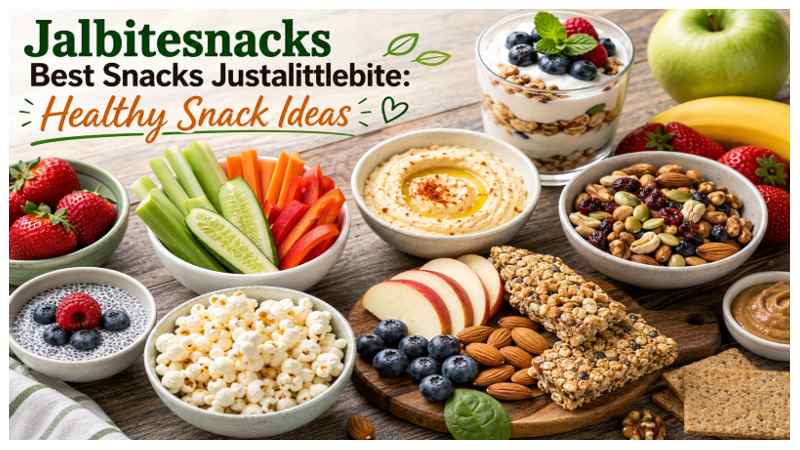
Jalbitesnacks Best Snacks Justalittlebite: Healthy Snack Ideas explores nutritious snack options that are both delicious and practical. By understanding healthy snacking principles, individuals can make smarter food choices and develop habits that contribute to long-term wellness.
Understanding Healthy Snacking
Healthy snacking involves selecting foods that provide nutritional value rather than empty calories. A nutritious snack contains beneficial nutrients such as protein, fiber, vitamins, minerals, and healthy fats.
Many people snack during the day to maintain energy and avoid excessive hunger between meals. When chosen wisely, snacks can complement a healthy eating plan and improve overall nutrition.
Healthy snacking is not about strict dieting. Instead, it focuses on choosing foods that nourish the body while satisfying hunger and taste preferences.
Why Smart Snack Choices Matter
Smart snack choices can significantly affect health, energy, and daily performance. Unhealthy snacks that are high in sugar, salt, and processed ingredients may provide temporary satisfaction but often lead to energy crashes and increased hunger later.
Nutritious snacks help:
- Maintain steady energy levels
- Support concentration and focus
- Prevent overeating during meals
- Improve nutrient intake
- Promote healthier eating habits
Making better snack decisions contributes to a more balanced lifestyle and overall wellness.
Jalbitesnacks Best Snacks Justalittlebite: Healthy Snack Ideas
Overview of Healthy Snack Options
Healthy snacks come in many forms and can fit different lifestyles, dietary preferences, and schedules. Some people prefer fresh fruits, while others enjoy protein-rich snacks or whole-grain options.
Popular healthy snack categories include:
- Fresh fruits
- Vegetables and dips
- Nuts and seeds
- Yogurt-based snacks
- Whole grain products
- Homemade treats
These foods provide essential nutrients while helping to control hunger throughout the day.
Benefits of Choosing Nutritious Snacks
Nutritious snacks offer several advantages over highly processed alternatives.
Benefits include:
- Better energy management
- Improved digestion
- Enhanced focus and productivity
- Support for healthy weight management
- Increased nutrient intake
Healthy snacks can also make it easier to meet daily nutritional goals.
Building Better Snacking Habits
Creating healthy snacking habits starts with planning and awareness. Keeping nutritious foods available and reducing access to unhealthy options can encourage better choices.
Helpful habits include:
- Eating snacks mindfully
- Choosing balanced portions
- Planning snacks ahead of time
- Keeping healthy ingredients readily available
Consistent healthy habits can make snacking both enjoyable and beneficial.
What Makes a Snack Healthy?
Balanced Nutrition in Snacks
A healthy snack contains a balance of nutrients that help satisfy hunger and provide sustained energy. The best snacks combine protein, fiber, and healthy fats rather than relying solely on sugar or refined carbohydrates.
Balanced snacks help prevent rapid blood sugar spikes and crashes, making them a smart choice for maintaining energy throughout the day.
Importance of Protein, Fiber, and Healthy Fats
Protein supports muscle maintenance and helps people feel full longer. Fiber aids digestion and promotes satiety. Healthy fats contribute to overall wellness and help the body absorb certain nutrients.
Examples include:
- Protein: Greek yogurt, eggs, nuts
- Fiber: Fruits, vegetables, whole grains
- Healthy fats: Avocados, seeds, nuts
Combining these nutrients creates satisfying and nutritious snacks.
Avoiding Excess Sugar and Processed Ingredients
Many packaged snacks contain high levels of added sugars, artificial ingredients, and unhealthy fats. While these foods may taste appealing, they often provide little nutritional value.
Choosing minimally processed foods helps support better health and more stable energy levels.
Types of Healthy Snacks
Fruit-Based Snack Ideas
Fruit is one of the simplest and healthiest snack options available. It provides natural sweetness along with vitamins, minerals, and fiber.
Popular choices include:
- Apples
- Bananas
- Oranges
- Berries
- Grapes
Fruit can be enjoyed alone or paired with nuts, yogurt, or nut butter for added nutrition.
Vegetable and Dip Combinations
Vegetables make excellent snacks because they are low in calories and rich in nutrients.
Examples include:
- Carrot sticks with hummus
- Cucumber slices with yogurt dip
- Bell peppers with bean dip
- Celery with healthy spreads
These combinations offer both crunch and nutrition.
Protein-Rich Snacks
Protein-rich snacks help support satiety and maintain energy.
Examples include:
- Greek yogurt
- Hard-boiled eggs
- Cottage cheese
- Nuts and seeds
- Roasted chickpeas
Protein can help reduce hunger between meals.
Whole Grain Snack Options
Whole grains provide complex carbohydrates and fiber that support steady energy levels.
Examples include:
- Whole-grain crackers
- Oat-based snacks
- Popcorn
- Whole wheat toast
Whole grains are often more nutritious than refined grain products.
Healthy Snacks for Different Times of the Day
Morning Energy Snacks
Morning snacks can help maintain focus and energy between breakfast and lunch.
Examples include:
- Fruit and yogurt
- Oatmeal cups
- Whole-grain toast
- Smoothies
These options provide a nutritious start to the day.
Midday Snack Ideas
Afternoon hunger is common and can lead to unhealthy choices if nutritious snacks are unavailable.
Good midday snacks include:
- Nuts and fruit
- Yogurt with berries
- Whole-grain crackers
- Vegetable sticks
Balanced snacks help sustain energy and productivity.
Evening Healthy Snack Choices
Evening snacks should be light yet satisfying.
Examples include:
- Fresh fruit
- Air-popped popcorn
- Yogurt
- Small portions of nuts
Choosing nutritious evening snacks can support healthy eating habits.
Easy Homemade Snack Ideas
No-Cook Healthy Snacks
No-cook snacks are perfect for busy individuals who want nutritious options without spending time in the kitchen. These snacks require minimal preparation and can often be assembled in minutes.
Examples include:
- Apple slices with nut butter
- Yogurt topped with berries
- Mixed nuts and dried fruit
- Cheese with whole-grain crackers
- Fresh fruit bowls
No-cook snacks are convenient, portable, and ideal for work, school, or travel.
Quick Snacks for Busy Days
Busy schedules often make it difficult to prepare elaborate meals. Quick snacks help maintain energy without disrupting daily routines.
Some practical options include:
- Banana and peanut butter
- Whole-grain toast with avocado
- Trail mix
- Protein yogurt
- Fresh vegetable sticks
Having quick snacks available can prevent unhealthy impulse food choices.
Simple Homemade Treats
Homemade snacks allow greater control over ingredients and nutritional value.
Examples include:
- Oat energy bites
- Homemade granola
- Fruit smoothies
- Baked vegetable chips
- Whole-grain muffins
These snacks can be prepared in advance and enjoyed throughout the week.
Nutritious Ingredients for Healthy Snacking
Fresh Fruits and Vegetables
Fresh produce forms the foundation of many healthy snacks. Fruits and vegetables provide vitamins, minerals, antioxidants, and fiber.
Popular options include:
- Apples
- Berries
- Oranges
- Carrots
- Cucumbers
- Bell peppers
Adding colorful produce to daily snacks helps improve overall nutrition.
Nuts and Seeds
Nuts and seeds are rich in healthy fats, protein, and important nutrients.
Common choices include:
- Almonds
- Walnuts
- Pistachios
- Sunflower seeds
- Pumpkin seeds
Because nuts are calorie-dense, portion control is important.
Yogurt and Dairy Options
Dairy foods can provide protein, calcium, and other essential nutrients.
Healthy choices include:
- Greek yogurt
- Cottage cheese
- Low-fat cheese
- Kefir
These foods pair well with fruit, nuts, and whole grains.
Whole Grains and Natural Foods
Whole grains provide long-lasting energy and support digestive health.
Examples include:
- Oats
- Whole wheat products
- Brown rice snacks
- Air-popped popcorn
Natural foods with minimal processing often offer greater nutritional benefits.
Healthy Snack Ideas for Various Goals
Snacks for Weight Management
Healthy snacks can support weight management when they are nutrient-dense and appropriately portioned.
Good options include:
- Fresh fruit
- Vegetable sticks
- Greek yogurt
- Nuts in moderation
These foods help control hunger without excessive calorie intake.
Snacks for Energy and Focus
Energy-supporting snacks should combine carbohydrates with protein or healthy fats.
Examples include:
- Banana with nut butter
- Whole-grain crackers with cheese
- Yogurt with berries
- Oat-based snacks
Balanced snacks can improve concentration and productivity.
Snacks for Active Lifestyles
Physically active individuals often require nutrient-rich snacks to support recovery and performance.
Examples include:
- Protein smoothies
- Trail mix
- Yogurt parfaits
- Whole-grain sandwiches
These snacks provide energy and help replenish nutrients after activity.
Benefits of Healthy Snacking
Supports Consistent Energy Levels
Healthy snacks help maintain stable blood sugar levels and prevent sudden energy crashes.
Balanced nutrition throughout the day supports physical and mental performance.
Helps Control Hunger Between Meals
Snacks can reduce excessive hunger and prevent overeating during main meals.
Choosing satisfying snacks can improve portion control and overall eating habits.
Encourages Better Nutrition Throughout the Day
Healthy snacks contribute additional vitamins, minerals, protein, and fiber to the diet.
They provide opportunities to include more nutritious foods in daily eating patterns.
Smart Snacking Tips
Practice Portion Control
Even healthy foods should be consumed in reasonable amounts.
Helpful portion control strategies include:
- Using small containers
- Measuring servings
- Avoid eating directly from large packages
Portion awareness helps maintain balanced nutrition.
Keep Healthy Ingredients Available
Stocking nutritious foods makes healthy choices easier.
Keep items such as:
- Fresh fruit
- Vegetables
- Nuts
- Yogurt
- Whole grain products
readily available at home and work.
Plan Snacks Ahead of Time
Planning snacks reduces reliance on convenience foods.
Preparing snacks in advance saves time and encourages healthier decisions throughout the week.
Healthy Snacks for Families
Kid-Friendly Snack Ideas
Children benefit from nutritious snacks that support growth and development.
Examples include:
- Fruit slices
- Yogurt cups
- Whole-grain crackers
- Cheese sticks
Making snacks colorful and appealing can encourage healthier eating habits.
Healthy School and Work Snacks
Portable snacks are useful for busy schedules.
Examples include:
- Trail mix
- Fruit
- Whole-grain bars
- Nuts and seeds
These options are easy to transport and consume on the go.
Snacks Everyone Can Enjoy Together
Family-friendly snacks encourage shared healthy eating habits.
Popular choices include:
- Fruit platters
- Vegetable trays
- Homemade popcorn
- Yogurt parfaits
Shared snack experiences can make healthy eating more enjoyable.
Common Snacking Mistakes to Avoid
Eating Out of Boredom
Many people snack when they are not truly hungry.
Practicing mindful eating helps distinguish between boredom and genuine hunger.
Choosing Highly Processed Snacks
Processed snacks often contain excessive sugar, salt, and unhealthy fats.
Choosing whole foods provides better nutritional value and greater satiety.
Ignoring Portion Sizes
Large portions can increase calorie intake even when foods are healthy.
Paying attention to serving sizes helps maintain balance.
Budget-Friendly Healthy Snack Ideas
Affordable Homemade Snacks
Healthy snacking does not need to be expensive.
Budget-friendly options include:
- Popcorn
- Oatmeal snacks
- Seasonal fruit
- Homemade trail mix
These foods provide nutrition at a reasonable cost.
Using Pantry Staples Creatively
Pantry ingredients can be transformed into nutritious snacks.
Examples include:
- Oats
- Nuts
- Seeds
- Whole-grain crackers
Creative combinations add variety without increasing food expenses.
Reducing Food Waste Through Smart Snacking
Using leftover fruits and vegetables for snacks helps reduce waste.
Examples include:
- Smoothies
- Fruit salads
- Vegetable platters
Reducing waste benefits both budgets and sustainability efforts.
Seasonal Healthy Snack Inspiration
Fresh Summer Snack Ideas
Summer snacks often focus on refreshing ingredients.
Examples include:
- Watermelon slices
- Berry bowls
- Yogurt parfaits
- Chilled fruit smoothies
These snacks help support hydration and nutrition.
Cozy Autumn and Winter Snacks
Cooler seasons inspire warmer snack options.
Examples include:
- Oatmeal cups
- Roasted nuts
- Baked apples
- Whole-grain muffins
These foods provide comfort and nourishment.
Spring-Inspired Healthy Treats
Spring snacks celebrate fresh seasonal ingredients.
Examples include:
- Fresh fruit salads
- Vegetable sticks
- Light yogurt bowls
- Homemade granola
Seasonal foods add variety and freshness to snack routines.
Frequently Asked Questions (FAQ)
What Are the Healthiest Snacks to Eat Daily?
Fresh fruits, vegetables, nuts, seeds, yogurt, and whole-grain snacks are among the healthiest options for daily consumption.
How Often Should I Eat Snacks?
Snack frequency depends on individual needs, activity levels, and meal schedules. Many people benefit from one or two nutritious snacks between meals.
Can Healthy Snacks Help with Weight Management?
Yes. Balanced snacks can control hunger, reduce overeating, and support healthy eating habits when consumed in appropriate portions.
What Are Good Snacks for Busy People?
Portable options such as fruit, yogurt, nuts, trail mix, and whole-grain snacks are practical choices for busy lifestyles.
Conclusion
Making Healthy Snacking Simple and Enjoyable
Healthy snacking does not have to be complicated. By choosing nutritious ingredients and planning ahead, individuals can enjoy delicious snacks that support overall wellness. Small improvements in snack choices can make a meaningful difference in daily nutrition and energy levels.
Building Long-Term Healthy Eating Habits with Smart Snack Choices
Smart snacking is an important part of a balanced lifestyle. Focusing on whole foods, practicing portion control, and keeping nutritious options readily available can help create sustainable habits that support long-term health. By making thoughtful snack choices each day, anyone can enjoy better nutrition, improved energy, and a healthier future.