
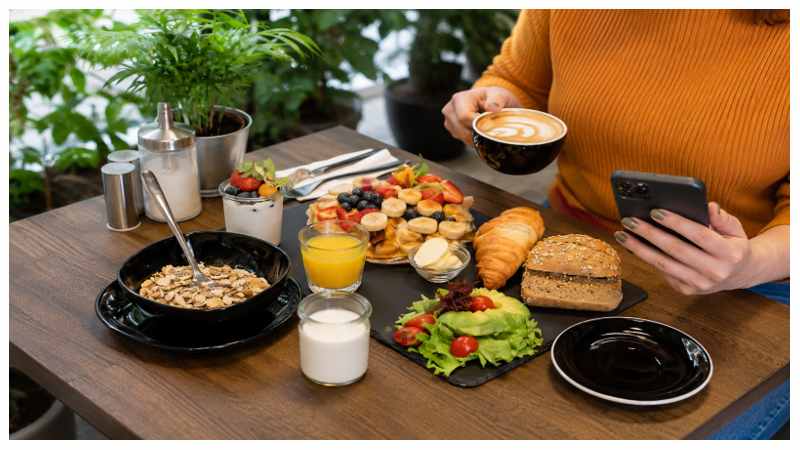
Food trends are constantly changing as people discover new ingredients, cooking techniques, and healthier ways to enjoy meals. Modern consumers are increasingly interested in nutrition, sustainability, convenience, and creative recipes. From plant-based eating to global fusion dishes, food trends influence the meals we prepare and consume every day.
Jalbiteblog Food Trend from JustALittleBite explores the latest developments in food culture and highlights practical ways to incorporate these trends into everyday life. Understanding current food trends can help individuals improve their eating habits while making cooking more enjoyable and exciting.
Understanding Modern Food Trends
Modern food trends reflect shifts in consumer preferences, health awareness, environmental concerns, and technological innovations. Unlike temporary food fads, many trends become long-term lifestyle habits that shape how people buy, prepare, and enjoy food.
Current trends often focus on:
- Health-conscious eating
- Sustainable food choices
- Convenience and meal planning
- Exploring international cuisines
- Reducing processed foods
Keeping up with these changing food patterns helps people make smarter dietary decisions while encouraging them to explore diverse, wholesome, and nutrient-rich meal options.
Why Food Trends Continue to Grow
Food trends continue to evolve because people’s lifestyles and priorities are constantly changing.
Several factors contribute to the growth of food trends:
- Increased health awareness
- Social media influence
- Easier access to global cuisines
- Advances in food technology
- Greater concern for environmental sustainability
As information becomes more accessible, consumers are more willing to experiment with new foods and cooking methods.
Jalbiteblog Food Trend from JustALittleBite
Exploring Today’s Popular Food Ideas
Today’s food culture encourages creativity and flexibility. People are increasingly seeking meals that are nutritious, visually appealing, and easy to prepare.
Popular modern food ideas include:
- Plant-based recipes
- High-protein snacks
- Homemade comfort foods
- Functional beverages
- Meal-prep recipes
- International fusion dishes
These trends allow individuals to personalize their eating habits according to their preferences and lifestyles.
How Food Trends Influence Everyday Eating Habits
Food trends affect shopping decisions, restaurant menus, and home cooking routines.
They often encourage people to:
- Try healthier ingredients
- Cook more meals at home
- Experiment with global flavors
- Reduce processed foods
- Improve meal planning
As a result, many modern food trends contribute to healthier and more enjoyable eating experiences.
What Are Food Trends?
Food trends are popular patterns in food consumption, preparation, ingredients, and culinary preferences that gain widespread attention over time.
Definition of Food Trends
A food trend represents a noticeable shift in how people approach eating and cooking. These trends may be influenced by health research, cultural exchange, technology, or changing lifestyles.
Some trends become permanent parts of food culture, while others remain short-lived.
The Evolution of Modern Food Culture
Food culture has evolved significantly over the past few decades.
In the past, convenience foods dominated many households. Today, consumers increasingly prioritize:
- Fresh ingredients
- Nutritional value
- Sustainable products
- Homemade meals
- Diverse cuisines
This evolution reflects a growing interest in both personal wellness and environmental responsibility.
Factors That Shape Food Trends
Several factors influence modern food trends, including:
- Consumer demand
- Scientific nutrition research
- Social media platforms
- Food bloggers and chefs
- Global cultural influences
- Economic conditions
These factors continuously reshape food preferences around the world.
Popular Food Trends Today
Modern food culture includes several exciting and beneficial trends.
Healthy and Clean Eating
Clean eating emphasizes consuming minimally processed foods while focusing on natural ingredients.
Examples include:
- Fresh fruits and vegetables
- Whole grains
- Lean proteins
- Healthy fats
- Homemade meals
This approach encourages better nutrition and long-term wellness.
Plant-Based Food Choices
Plant-based eating has become increasingly popular due to its potential health and environmental benefits.
Popular plant-based foods include:
- Beans
- Lentils
- Tofu
- Nuts
- Seeds
- Vegetables
- Whole grains
Many people choose plant-focused meals to diversify their diets and explore healthier options.
High-Protein Meals and Snacks
Protein-rich foods continue gaining popularity among individuals seeking better energy, satiety, and muscle support.
Common high-protein options include:
- Greek yogurt
- Eggs
- Chicken
- Fish
- Cottage cheese
- Beans
- Protein smoothies
Protein remains an important component of balanced nutrition.
Organic and Natural Ingredients
Consumers increasingly seek products made with fewer artificial additives and synthetic ingredients.
Organic foods often appeal to individuals looking for:
- Higher-quality ingredients
- Reduced pesticide exposure
- Sustainable farming practices
Organic produce, dairy products, and grains continue growing in popularity.
Social Media and Food Trends
Digital platforms play an enormous role in shaping modern food culture.
The Influence of Instagram and TikTok
Instagram and TikTok have become major sources of food inspiration.
These platforms showcase:
- Creative recipes
- Healthy meal ideas
- Cooking tutorials
- Food photography
- Viral food challenges
Short videos make learning new recipes quick and accessible for millions of users.
Food Bloggers and Online Creators
Food bloggers and creators regularly share:
- Step-by-step recipes
- Nutrition advice
- Cooking techniques
- Kitchen organization tips
- Ingredient recommendations
Their content inspires home cooks to try new foods and improve their cooking skills.
Viral Recipes and Digital Food Communities
Online communities frequently introduce trending dishes that quickly become household favorites.
Examples include:
- Baked oats
- Whipped coffee
- Butter boards
- Viral pasta recipes
- Smoothie bowls
These communities encourage creativity and make cooking more interactive and enjoyable.
Healthy Eating Trends
Health-focused food trends continue influencing everyday meal choices.
Balanced Nutrition and Portion Control
Healthy eating is built around enjoying a diverse mix of nutrient-rich foods from each essential food category while keeping serving amounts moderate and well-balanced.
Balanced meals often include:
- Vegetables
- Fruits
- Whole grains
- Lean proteins
- Healthy fats
Proper portion control supports long-term health and energy levels.
Whole Foods and Fresh Ingredients
Whole foods remain central to many modern eating trends.
Examples include:
- Fresh produce
- Beans
- Nuts
- Whole grains
- Fresh herbs
These ingredients provide essential nutrients while minimizing excessive additives.
Low-Sugar and Low-Processed Foods
Many consumers now limit foods containing large amounts of added sugar and highly processed ingredients.
Healthier alternatives include:
- Fresh fruit
- Unsweetened yogurt
- Homemade snacks
- Whole grains
- Water and herbal teas
Reducing processed foods often improves overall dietary quality.
Functional Foods for Wellness
Functional foods provide nutritional benefits that support overall well-being.
Examples include:
- Yogurt containing probiotics
- Oats
- Berries
- Fatty fish
- Seeds
- Fermented foods
These foods contribute to balanced nutrition as part of a healthy lifestyle.
Home Cooking Trends
Cooking at home remains one of today’s strongest food movements.
Quick and Easy Meal Ideas
Busy lifestyles have increased demand for simple recipes requiring minimal preparation.
Popular options include:
- Stir-fries
- Grain bowls
- Smoothies
- Sheet-pan dinners
- Pasta dishes
These meals save time while supporting healthier eating habits.
Meal Preparation and Batch Cooking
Meal preparation helps simplify busy schedules and reduces reliance on convenience foods.
Benefits include:
- Better portion control
- Reduced food waste
- Time savings
- Easier healthy eating
Preparing ingredients ahead of time encourages consistency.
One-Pot and One-Pan Recipes
One-pot meals reduce cleanup while making cooking more efficient.
Examples include:
- Soups
- Chili
- Rice dishes
- Pasta recipes
- Stews
These recipes are practical and budget-friendly.
Budget-Friendly Home Cooking
Many modern food trends emphasize affordability.
Simple strategies include:
- Planning meals weekly
- Buying seasonal produce
- Using leftovers creatively
- Purchasing pantry staples in bulk
Healthy eating can be both enjoyable and economical.
Global Food Inspirations
Modern food culture has become increasingly global, allowing people to experience flavors from different countries without leaving home. International recipes, fusion dishes, and street food inspirations continue shaping everyday cooking habits.
International Cuisine at Home
Preparing international dishes at home has become easier thanks to online recipes, cooking videos, and access to global ingredients.
Popular cuisines include:
- Italian pasta and risotto
- Japanese sushi and ramen
- Indian curries and lentil dishes
- Mexican tacos and enchiladas
- Mediterranean salads and grilled foods
- Thai stir-fries and soups
Trying recipes from different cultures helps expand cooking knowledge while making meals more exciting.
Fusion Food Creations
Fusion cuisine combines ingredients and techniques from multiple cultures to create unique dishes.
Popular fusion foods include:
- Korean tacos
- Sushi burritos
- Butter chicken pizza
- Mediterranean grain bowls
- Teriyaki burgers
Fusion cooking encourages creativity and allows home cooks to personalize recipes according to their preferences.
Exploring New Ingredients and Flavors
Modern food trends inspire people to experiment with unfamiliar ingredients and seasonings.
Trending ingredients include:
- Miso
- Tahini
- Harissa
- Turmeric
- Kimchi
- Fresh herbs
- Specialty spices
Exploring new flavors keeps meals interesting while introducing additional nutritional variety.
Popular Street Food Trends
Street foods from around the world continue influencing restaurant menus and home kitchens.
Popular examples include:
- Falafel wraps
- Tacos
- Dumplings
- Shawarma
- Bao buns
- Arepas
Many street foods can be recreated at home using healthier cooking methods and fresh ingredients.
Sustainable Food Trends
Sustainability has become one of the most significant drivers of modern food culture. Many consumers now consider environmental impact when making food choices.
Reducing Food Waste
Reducing waste is both environmentally responsible and financially beneficial.
Simple ways to minimize waste include:
- Planning meals ahead
- Properly storing ingredients
- Freezing leftovers
- Using older produce in soups and stews
- Buying only necessary quantities
Small changes can significantly reduce household food waste.
Choosing Seasonal and Local Produce
Seasonal ingredients often provide:
- Better flavor
- Improved freshness
- Lower prices
- Support for local farmers
Choosing local produce also reduces transportation requirements and supports regional agriculture.
Eco-Friendly Food Choices
Consumers increasingly seek environmentally friendly options.
Examples include:
- Eating more plant-based meals
- Supporting sustainable farms
- Choosing reusable containers
- Reducing unnecessary packaging
These habits help create a more sustainable food system.
Sustainable Packaging and Shopping Habits
Many companies now offer recyclable or compostable packaging.
Consumers can contribute by:
- Bringing reusable shopping bags
- Choosing products with less plastic
- Recycling packaging properly
- Buying refillable products when available
Small shopping habits can positively impact the environment.
Smart Food Shopping Tips
Healthy eating often begins with smarter grocery shopping decisions.
Reading Nutrition Labels
Food labels provide valuable information that helps consumers compare products.
Important details include:
- Serving size
- Calories
- Added sugars
- Fiber content
- Protein levels
- Sodium amounts
Reading labels regularly encourages more informed food choices.
Choosing Quality Ingredients
Fresh, high-quality ingredients often result in better flavor and nutrition.
Look for:
- Bright fruits and vegetables
- Fresh herbs
- Lean proteins
- Whole grains
- Minimal ingredient lists
Quality ingredients usually make healthy cooking easier.
Planning Healthy Grocery Lists
Creating a grocery list before shopping helps:
- Prevent impulse purchases
- Save money
- Reduce food waste
- Support healthier meal planning
A well-organized list makes grocery shopping more efficient.
Shopping on a Budget
Nutritious eating does not need to be expensive.
Budget-friendly shopping tips include:
- Buying seasonal produce
- Purchasing grains and beans in bulk
- Choosing frozen vegetables
- Comparing prices
- Planning meals around sales
Careful planning helps maintain healthy eating while controlling expenses.
Benefits of Following Food Trends
Modern food trends offer several practical advantages.
Discovering New Recipes
Food trends introduce people to new dishes, cooking techniques, and ingredients that they may not have considered previously.
Trying different recipes:
- Prevents meal boredom
- Improves cooking confidence
- Expands food knowledge
New recipes can make everyday cooking far more enjoyable.
Improving Cooking Skills
Experimenting with food trends helps develop kitchen abilities such as:
- Meal preparation
- Flavor balancing
- Ingredient substitutions
- International cooking techniques
- Food presentation
Regular practice gradually builds cooking expertise.
Building Healthier Eating Habits
Many current food trends emphasize:
- Fresh ingredients
- Whole foods
- Balanced meals
- Reduced processing
- Portion awareness
Following these trends can encourage long-term healthy habits.
Making Meals More Enjoyable
Variety and creativity often make meals more satisfying.
Exploring new cuisines, ingredients, and cooking methods helps maintain enthusiasm for healthy eating.
Common Mistakes to Avoid
While food trends can be beneficial, balance remains important.
Following Every Viral Food Trend
Not every internet trend is practical or nutritionally beneficial.
Before trying a trend, consider:
- Nutritional value
- Ingredient availability
- Personal preferences
- Budget considerations
Choose trends that genuinely fit your lifestyle.
Ignoring Nutritional Balance
Some popular recipes focus heavily on one ingredient while neglecting overall nutritional quality.
Balanced meals should include:
- Protein
- Fruits and vegetables
- Whole grains
- Healthy fats
Nutrition should remain a priority.
Prioritizing Convenience Over Quality
Convenience foods may save time but often contain excess sodium, sugar, and preservatives.
Preparing simple homemade meals usually provides better nutrition and flavor.
Buying Unnecessary Specialty Products
Many trendy foods are marketed as essential despite offering little additional benefit.
Basic ingredients such as:
- Beans
- Oats
- Eggs
- Rice
- Vegetables
- FruitsIt
can provide excellent nutrition without high cost.
Tips for Staying Updated on Food Trends
Food trends constantly evolve, making continuous learning useful.
Following Jalbiteblog and Trusted Food Sources
Reliable food blogs offer:
- Healthy recipes
- Nutrition guidance
- Meal planning ideas
- Seasonal cooking inspiration
Following trusted sources helps separate useful trends from temporary fads.
Watching Cooking Videos and Tutorials
Video content makes learning easier by demonstrating:
- Cooking techniques
- Ingredient preparation
- Recipe instructions
- Food presentation
Visual learning often improves cooking confidence.
Trying New Recipes Regularly
Preparing one new recipe each week can:
- Expand cooking knowledge
- Introduce new ingredients
- Improve kitchen skills
- Keep meals interesting
Small experiments can significantly improve cooking abilities.
Learning from Nutrition Experts
Registered dietitians and nutrition professionals provide science-based information that supports healthier decision-making.
Reliable guidance helps consumers avoid misinformation and make balanced food choices.
Frequently Asked Questions (FAQ)
What Is Jalbiteblog Food Trend from JustALittleBite?
It refers to modern food ideas, healthy eating habits, innovative recipes, and emerging culinary trends that inspire better everyday cooking and nutrition.
Why Do Food Trends Change So Quickly?
Food trends evolve due to changing consumer preferences, social media influence, scientific research, global cultural exchange, and technological innovation.
Are Modern Food Trends Always Healthy?
Not necessarily. While many trends promote balanced nutrition, some viral recipes may prioritize appearance or novelty over nutritional value.
How Can Beginners Try New Food Trends?
Beginners should start with simple recipes, use familiar ingredients, and gradually explore new cuisines while maintaining balanced eating habits.
Conclusion
Bringing Food Trends Into Everyday Life
Modern food trends offer countless opportunities to improve nutrition, expand cooking skills, and make meals more enjoyable. Whether through plant-based eating, meal preparation, sustainable shopping, or exploring international flavors, these trends encourage creativity and healthier choices.
Adopting small changes gradually can make modern food trends practical and sustainable in everyday life.
Enjoying Modern Eating with Jalbiteblog Food Trend from JustALittleBite
Jalbiteblog Food Trend from JustALittleBite highlights how food culture continues evolving through innovation, health awareness, and global inspiration. By embracing balanced nutrition, fresh ingredients, and creative recipes, individuals can build healthier eating habits while enjoying exciting and flavorful meals. Following practical food trends can transform everyday cooking into a rewarding and enjoyable experience.