
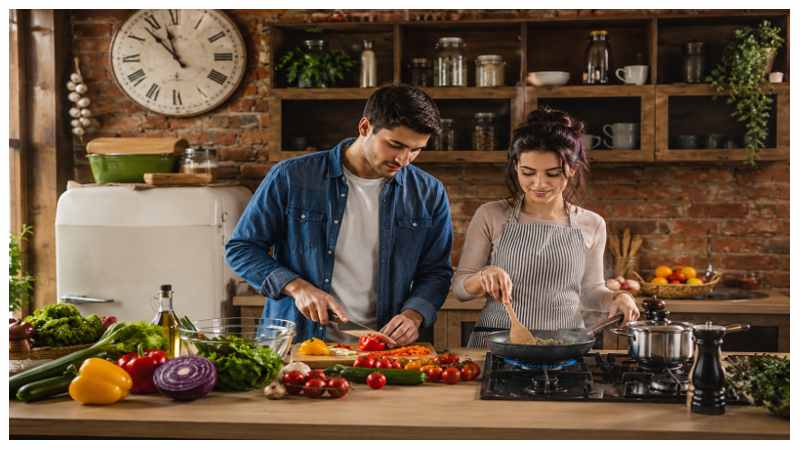
Cooking at home has become an important part of maintaining a healthy and balanced lifestyle. As people become more aware of nutrition, food quality, and household budgets, many are choosing to prepare meals in their own kitchens rather than relying on restaurants or processed convenience foods. Home cooking offers complete control over ingredients, cooking methods, and portion sizes, making it easier to enjoy fresh, flavorful, and nutritious meals every day.
Benefit of Cooking at Home fhthopefood: Better Eating explores how preparing meals at home can improve your health, save money, strengthen family relationships, and build lifelong cooking skills. Whether you are a beginner or an experienced home cook, learning the value of homemade meals can help you make smarter food choices and enjoy a healthier lifestyle.
Why Home Cooking Is Becoming More Popular
In recent years, cooking at home has become increasingly popular as more people appreciate its value beyond just preparing food. Homemade meals support healthier eating, encourage creativity in the kitchen, and offer greater control over nutrition, budget, and overall well-being. It provides an opportunity to create healthier dishes, reduce food expenses, and spend quality time with family members.
Several factors contribute to the growing popularity of home cooking, including:
- Increased awareness of healthy eating
- Rising restaurant costs
- Easy access to online recipes
- Better kitchen appliances
- Greater interest in learning cooking skills
Cooking at home also allows individuals to experiment with new ingredients, customize recipes to personal tastes, and develop confidence in the kitchen.
The Connection Between Cooking and Healthy Eating
Healthy eating begins with knowing what goes into your meals. When you cook at home, you choose every ingredient, making it easier to reduce unhealthy fats, added sugars, and excessive sodium.
Preparing meals yourself encourages a balanced diet that includes:
- Fresh vegetables
- Fruits
- Whole grains
- Lean proteins
- Healthy fats
Unlike many restaurant meals, homemade dishes can be adjusted to meet personal dietary needs while still delivering great flavor.
Benefit of Cooking at Home fhthopefood: Better Eating
Understanding the Value of Homemade Meals
Homemade meals offer much more than convenience. They provide freshness, nutritional balance, and flexibility that are often difficult to achieve with processed or fast foods.
Preparing meals yourself allows you to:
- Control food quality
- Select nutritious ingredients
- Adjust recipes for allergies or preferences
- Experiment with healthier cooking methods
- Create meals that fit your family’s needs
Cooking at home also helps people appreciate the effort involved in preparing food, leading to more mindful eating habits.
Why Cooking at Home Improves Your Lifestyle
Cooking regularly supports many areas of daily life. Beyond improving nutrition, it teaches organization, planning, creativity, and time management.
Some lifestyle benefits include:
- Better daily routines
- Increased self-confidence
- Reduced dependence on takeout
- More enjoyable family meals
- Opportunities to learn new recipes
Making home cooking a habit contributes to long-term wellness and healthier decision-making.
What Are the Benefits of Cooking at Home?
Home cooking offers numerous physical, emotional, and financial benefits that support a healthier lifestyle.
Better Control Over Ingredients
One of the greatest advantages of home cooking is complete control over what goes into each meal.
You can easily:
- Choose fresh produce
- Use lean meats
- Reduce added sugar
- Limit sodium
- Select healthier oils
- Avoid unnecessary preservatives
This level of control allows you to prepare meals that meet your nutritional goals while accommodating personal preferences and dietary restrictions.
Healthier Meal Choices
When preparing food at home, it becomes much easier to make nutritious choices.
Healthy home meals often include:
- Colorful vegetables
- Whole grains
- Fresh herbs
- Lean proteins
- Healthy fats
Instead of relying on processed foods, home cooks can create balanced meals that provide lasting energy and essential nutrients.
Improved Portion Control
Meals served at restaurants are frequently larger than what most people need in a single sitting. Preparing food at home gives you full control over serving sizes, allowing you to cook and plate portions that match your appetite and nutritional goals.
Better portion control can help:
- Prevent overeating
- Reduce food waste
- Support weight management
- Encourage mindful eating
Serving appropriate portions is an important step toward developing healthier eating habits.
Better Eating Through Home Cooking
Eating More Fresh Foods
Fresh ingredients are one of the biggest advantages of homemade meals.
Adding more fresh foods provides:
- Better flavor
- More vitamins
- Higher fiber intake
- Improved texture
- Greater nutritional value
Fresh fruits, vegetables, herbs, and lean proteins help create meals that nourish the body while satisfying the appetite.
Reducing Processed Foods
Highly processed foods often contain excessive amounts of sodium, sugar, unhealthy fats, and artificial additives.
Preparing meals from scratch allows you to replace processed products with healthier alternatives such as:
- Fresh vegetables
- Homemade sauces
- Whole grains
- Natural seasonings
Reducing processed foods supports better long-term health and improves overall diet quality.
Building Balanced Meals
Balanced meals provide the nutrients your body needs to function efficiently.
A balanced plate typically includes:
- Lean protein
- Whole grains
- Vegetables
- Healthy fats
- Fresh fruit
Eating a balanced mix of different food groups provides your body with essential nutrients, promotes steady energy throughout the day, and contributes to long-term health and overall well-being.
Health Benefits of Home Cooking
Regular home cooking contributes to improved health in many different ways.
Supports Weight Management
Preparing meals at home makes it easier to control calories, portion sizes, and ingredient quality.
Healthy habits include:
- Measuring serving sizes
- Limiting added fats
- Including more vegetables
- Choosing whole grains
These habits can support healthy weight management when combined with regular physical activity.
Improves Heart Health
Heart-friendly meals are easier to prepare at home because you decide how much salt, oil, and saturated fat to include.
Heart-healthy ingredients include:
- Fish
- Oats
- Beans
- Olive oil
- Nuts
- Leafy greens
Choosing these foods regularly may support cardiovascular wellness as part of an overall healthy lifestyle.
Increases Nutrient Intake
Fresh homemade meals generally contain more essential nutrients than heavily processed convenience foods.
Important nutrients include:
- Vitamin C
- Vitamin A
- Calcium
- Iron
- Potassium
- Dietary fiber
Preparing meals with fresh ingredients helps maximize nutritional value while creating satisfying dishes.
Financial Benefits of Cooking at Home
Home cooking is not only healthier but also more economical.
Saving Money on Daily Meals
Preparing meals yourself usually costs significantly less than eating at restaurants or ordering takeout.
Money-saving strategies include:
- Cooking larger batches
- Buying staple ingredients in bulk
- Using seasonal produce
- Preparing lunches at home
Over time, these habits can result in substantial savings.
Reducing Food Waste
Planning meals and using leftovers wisely helps reduce unnecessary food waste.
Simple ideas include:
- Freeze extra portions.
- Turn leftover vegetables into soup.
- Use cooked rice for fried rice.
- Make sandwiches from leftover chicken.
Reducing waste benefits both your budget and the environment.
Budget-Friendly Meal Planning
Meal planning helps households stay organized while controlling grocery expenses.
Effective planning includes:
- Creating weekly menus
- Shopping with a grocery list
- Buying only necessary ingredients
- Choosing affordable seasonal foods
A well-planned menu reduces impulse purchases and makes daily cooking much easier.
Easy Home Cooking Tips
Cooking at home becomes easier with simple habits and good preparation.
Plan Meals Ahead
Planning meals before the week begins saves time, reduces stress, and prevents last-minute unhealthy food choices.
Keeping a weekly meal schedule also simplifies grocery shopping and improves kitchen organization.
Keep Healthy Ingredients Ready
Stock your kitchen with nutritious staples such as:
- Fresh vegetables
- Fruits
- Eggs
- Whole grains
- Beans
- Yogurt
- Herbs and spices
Having healthy ingredients available makes preparing quick meals much easier.
Cook Simple Recipes
Beginners do not need complicated recipes to prepare delicious food.
Start with meals such as:
- Vegetable stir-fries
- Pasta dishes
- Soups
- Rice bowls
- Omelets
- Baked chicken
Mastering simple recipes builds confidence and creates a strong cooking foundation.
Essential Kitchen Basics
Must-Have Cooking Tools
Every home kitchen should include basic equipment such as:
- Chef’s knife
- Cutting board
- Saucepan
- Frying pan
- Baking tray
- Mixing bowls
- Measuring cups
- Wooden spoon
These tools are enough to prepare most everyday meals.
Organizing Your Kitchen
Keeping your kitchen organized improves efficiency and makes cooking more enjoyable.
Store spices together, label pantry containers, and keep frequently used utensils within easy reach.
Safe Food Preparation
Always practice good food safety by washing hands, cleaning surfaces, separating raw meat from fresh produce, and storing leftovers promptly. These simple habits help prevent foodborne illness and keep your kitchen safe.
Healthy Cooking Techniques
Choosing healthier cooking methods allows you to enjoy flavorful meals while preserving nutrients and reducing unnecessary fats.
Boiling and Steaming
Boiling and steaming are excellent techniques for cooking vegetables, rice, eggs, and seafood. Steaming is especially useful because it helps preserve color, texture, and many vitamins.
Baking Instead of Frying
Baking is a healthier alternative to deep-frying because it requires less oil while still producing delicious meals. Roasted vegetables, baked chicken, and oven-cooked fish are excellent choices for everyday cooking.
Using Less Oil and Salt
Reducing oil and salt is one of the easiest ways to improve meal quality. Flavor foods with herbs, spices, garlic, lemon juice, and fresh herbs instead of relying heavily on salt or rich sauces.
Family Benefits of Cooking at Home
Cooking at home brings families together in meaningful ways. Beyond preparing nutritious meals, it creates opportunities to strengthen relationships, build traditions, and encourage healthy habits. Sharing responsibilities in the kitchen also teaches valuable life skills that benefit every family member.
Spending Quality Time Together
Preparing meals as a family encourages teamwork and communication. Parents and children can work together by washing vegetables, measuring ingredients, setting the table, or stirring recipes.
Benefits of family cooking include:
- Stronger family relationships
- Better communication
- Shared responsibilities
- Fun learning experiences
- Lasting family traditions
Even preparing one homemade meal together each week can create meaningful memories.
Teaching Children Healthy Eating Habits
Children often develop healthier eating habits when they help prepare meals. They become more interested in trying fresh fruits, vegetables, and homemade dishes because they participated in making them.
Simple tasks for children include:
- Washing produce
- Mixing ingredients
- Decorating healthy snacks
- Measuring ingredients
- Arranging food on plates
These experiences encourage confidence and promote healthier food choices from an early age.
Enjoying Homemade Family Meals
Eating together without distractions helps families connect while enjoying nutritious food. Family meals encourage conversation, strengthen relationships, and create a positive dining experience.
Regular family dinners may also help establish consistent eating routines and encourage mindful eating habits.
Common Home Cooking Mistakes to Avoid
Everyone makes mistakes while learning to cook. Understanding common errors helps improve your skills and ensures better results.
Skipping Meal Planning
Preparing meals without a plan often leads to forgotten ingredients, unnecessary grocery trips, and unhealthy last-minute food choices.
Avoid this by:
- Planning weekly meals
- Creating shopping lists
- Checking pantry supplies
- Preparing ingredients ahead of time
Meal planning makes cooking more organized and efficient.
Overcooking Food
Overcooked food often becomes dry, tough, or loses its natural flavor and nutrients.
To prevent overcooking:
- Follow recommended cooking times.
- Use timers.
- Check food regularly.
- Remove food from the heat as soon as it is done.
Proper timing helps preserve both texture and nutritional value.
Using Too Much Seasoning
Seasonings enhance food, but using too much salt or spice can overpower natural flavors.
Helpful tips include:
- Taste the food before adding more seasoning.
- Add spices gradually.
- Use fresh herbs for natural flavor.
- Balance flavors with lemon juice or vinegar.
Seasoning carefully creates more enjoyable meals.
Tips to Build Better Eating Habits
Healthy eating is easier when supported by consistent daily habits.
Eat More Fruits and Vegetables
Fruits and vegetables provide vitamins, minerals, antioxidants, and fiber that support overall health.
Simple ways to increase intake include:
- Add fruit to breakfast.
- Include vegetables with lunch and dinner.
- Prepare colorful salads.
- Keep fresh produce available for snacks.
Aim to include a variety of colors throughout the week for greater nutritional diversity.
Choose Whole Foods
Whole foods contain fewer additives and more natural nutrients than highly processed products.
Examples include:
- Fresh fruits
- Vegetables
- Whole grains
- Beans
- Lentils
- Nuts
- Seeds
- Lean meats
- Fish
Building meals around whole foods helps improve diet quality and supports long-term wellness.
Stay Consistent with Home Cooking
Consistency is one of the most important factors in developing healthier eating habits.
Helpful ideas include:
- Cook several meals each week.
- Try one new recipe regularly.
- Prepare lunches at home.
- Keep healthy ingredients stocked.
Small daily improvements often lead to lasting lifestyle changes.
Benefits of Cooking at Home Every Day
Making home cooking part of your daily routine provides benefits that extend well beyond nutrition.
Better Physical Health
Home-cooked meals generally contain fewer processed ingredients and allow better control over calories, fats, sodium, and sugar.
Regular home cooking may support:
- Healthy weight management
- Better digestion
- Increased energy
- Improved nutrient intake
- Overall wellness
Choosing fresh ingredients helps nourish the body while reducing dependence on processed foods.
Greater Cooking Confidence
Confidence grows with experience. Preparing meals regularly helps develop practical skills that make cooking easier over time.
As confidence increases, home cooks become more comfortable:
- Trying new recipes
- Experimenting with flavors
- Adjusting ingredients
- Preparing meals for family and friends
Cooking gradually becomes both enjoyable and rewarding.
Long-Term Healthy Lifestyle
Cooking at home encourages habits that support lifelong health.
These habits include:
- Planning balanced meals
- Eating more fresh foods
- Limiting processed ingredients
- Practicing portion control
- Making mindful food choices
Over time, these routines contribute to a healthier and more sustainable lifestyle.
Frequently Asked Questions (FAQ)
Why Is Cooking at Home Healthier?
Cooking at home gives you complete control over ingredients, cooking methods, and portion sizes. You can prepare meals with fresh produce, lean proteins, whole grains, and healthy fats while limiting added sugar, salt, and unhealthy oils.
Does Home Cooking Save Money?
Yes. Homemade meals are usually much less expensive than restaurant dining or frequent takeout. Planning meals, buying seasonal ingredients, cooking in batches, and using leftovers can significantly reduce grocery expenses.
What Are Easy Meals for Beginners?
Beginner-friendly meals include:
- Vegetable stir-fries
- Pasta dishes
- Omelets
- Baked chicken
- Rice bowls
- Soups
- Salads
- Sheet-pan meals
These recipes require simple ingredients and basic cooking techniques.
How Often Should I Cook at Home?
Cooking at home three to five times each week is an excellent starting point. As your confidence and skills improve, you may choose to prepare even more meals at home while still enjoying occasional restaurant dining.
Conclusion
Making Home Cooking a Daily Habit
Cooking at home is one of the simplest and most effective ways to improve your eating habits and overall well-being. It allows you to prepare nutritious meals using fresh ingredients while controlling portion sizes, reducing processed foods, and saving money. By planning meals, organizing your kitchen, and learning basic cooking techniques, home cooking becomes easier and more enjoyable with practice.
Even small changes—such as preparing breakfast at home, packing homemade lunches, or cooking dinner several nights each week—can make a meaningful difference in your health and lifestyle. Every meal you prepare builds confidence and strengthens valuable cooking skills.
Enjoying Better Eating with Fhthopefood
Benefit of Cooking at Home fhthopefood: Better Eating highlights how homemade meals support healthier choices, stronger family connections, and smarter financial habits. By embracing simple recipes, fresh ingredients, and balanced cooking techniques, you can enjoy delicious meals while building a healthier future. Home cooking is more than preparing food—it’s an investment in your health, your family, and your everyday quality of life.

