
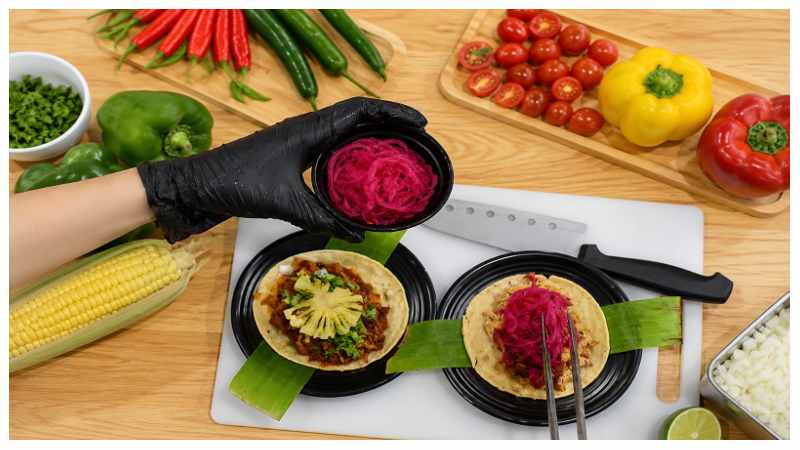
Food trends continue to shape the way people shop, cook, and enjoy meals. As lifestyles become busier and consumers become more health-conscious, modern food trends focus on convenience, nutrition, sustainability, and creativity. From plant-based meals to meal-prepping and smart kitchen technology, today’s food culture encourages people to explore new flavors while making healthier choices.
Jalbiteblog: Modern Food Trends highlights the latest developments in food culture and explains how these trends influence everyday eating habits. Whether you’re looking to improve your diet, discover new recipes, or make cooking more enjoyable, understanding modern food trends can help you make informed decisions in the kitchen.
Understanding Modern Food Trends
Modern food trends reflect changing lifestyles, consumer preferences, health awareness, and advancements in food technology. They often emerge as people seek healthier meals, environmentally friendly products, and exciting culinary experiences.
Unlike temporary food fads, many modern trends are built around long-term habits such as eating more whole foods, reducing waste, and cooking at home. These trends influence restaurants, grocery stores, food manufacturers, and home cooks alike.
By understanding current food trends, individuals can adapt their eating habits while maintaining balanced nutrition and enjoying a greater variety of meals.
Why Food Trends Matter Today
Food trends are more than popular recipes shared online. They influence how food is produced, marketed, and consumed around the world.
Modern food trends matter because they:
- Encourage healthier eating habits
- Introduce new ingredients
- Inspire home cooking
- Promote environmental sustainability
- Support local food producers
- Improve food variety
- Increase nutritional awareness
Following positive food trends helps people discover practical ways to improve their overall lifestyle.
Jalbiteblog: Modern Food Trends
Exploring Today’s Food Innovations
Today’s food industry is constantly evolving. New ingredients, healthier cooking methods, and creative recipes appear every year to meet changing consumer needs.
Some of today’s innovations include:
- Plant-based protein alternatives
- High-protein snacks
- Functional beverages
- Smart kitchen appliances
- Sustainable food packaging
- Meal delivery services
These innovations make healthy eating more accessible and convenient for people with busy schedules.
How Food Trends Shape Everyday Eating
Food trends influence the meals people prepare at home and order in restaurants.
Popular trends encourage people to:
- Cook with fresh ingredients
- Try international cuisines
- Reduce processed foods
- Experiment with healthier recipes
- Plan meals ahead
As food trends become more mainstream, healthier eating habits often become easier to adopt.
What Are Modern Food Trends?
Modern food trends describe evolving eating habits, cooking techniques, ingredients, and consumer preferences that become increasingly popular over time.
Definition of Food Trends
Food trends are patterns in the way people choose, prepare, and consume food. These trends may develop because of health research, cultural influences, technology, environmental awareness, or social media.
Some trends remain popular for years because they provide genuine health or lifestyle benefits.
How Food Trends Evolve
Food trends develop through several factors:
- Scientific research
- Consumer demand
- Restaurant innovation
- Food bloggers
- Social media platforms
- Cultural exchange
- Seasonal ingredients
As people’s priorities change, new trends continue replacing older ones.
The Influence of Consumer Preferences
Consumer preferences strongly influence the direction of food trends, driving demand for new ingredients, innovative recipes, and healthier eating choices.
Today’s shoppers often look for foods that are:
- Nutritious
- Convenient
- Affordable
- Sustainable
- Locally produced
- High in quality
Businesses adapt their products to meet these changing preferences.
Popular Modern Food Trends
Several healthy and practical food trends continue growing around the world.
Plant-Based Eating
Plant-based eating encourages consuming more foods from plants without necessarily eliminating animal products entirely.
Popular plant foods include:
- Beans
- Lentils
- Chickpeas
- Vegetables
- Fruits
- Whole grains
- Nuts
- Seeds
High-Protein Meals
Foods naturally high in protein have become increasingly popular as more people prioritize balanced nutrition, muscle support, and lasting energy in their daily diets.
Protein helps:
- Build muscle
- Support recovery
- Maintain fullness
- Produce enzymes
- Support immune function
Popular protein sources include chicken, fish, eggs, Greek yogurt, beans, tofu, and lean meats.
Whole Foods and Clean Eating
Whole foods are foods that undergo minimal processing and retain most of their natural nutrients.
Examples include:
- Fresh fruits
- Vegetables
- Whole grains
- Beans
- Nuts
- Seeds
- Fresh herbs
Clean eating focuses on choosing simple ingredients while limiting highly processed products.
Organic and Natural Ingredients
Many consumers prefer foods produced with fewer synthetic chemicals and artificial additives.
Organic fruits, vegetables, dairy products, and grains continue gaining popularity as people become more interested in food quality and sustainability.
Technology and Food Trends
Digital innovations have reshaped everyday cooking by making it easier to find recipes, shop for ingredients online, and prepare meals with greater convenience and efficiency.
Social Media Food Inspiration
Social media platforms have become major sources of cooking inspiration.
Food creators regularly share:
- Healthy recipes
- Cooking tutorials
- Meal-prep ideas
- Restaurant recommendations
- Kitchen organization tips
Short cooking videos make learning new recipes simple for beginners.
AI and Smart Cooking Tools
Artificial intelligence is becoming increasingly useful in home kitchens.
Modern tools can help with:
- Recipe recommendations
- Meal planning
- Grocery organization
- Nutrition tracking
- Smart cooking guidance
These technologies simplify everyday cooking while helping users make healthier food choices.
Online Recipe Platforms
Online recipe websites provide thousands of meal ideas for every dietary preference and cooking skill level.
Users can search recipes based on:
- Ingredients available
- Cooking time
- Dietary restrictions
- Cuisine
- Meal type
These platforms encourage people to try new dishes without needing advanced cooking experience.
Food Delivery Innovations
Food delivery services now offer healthier options than ever before.
Consumers can order:
- Fresh meal kits
- Prepared healthy meals
- Grocery delivery
- Organic produce
- Specialty ingredients
These services make nutritious eating more convenient for busy households.
Healthy Eating Trends
Healthy eating continues to be one of the strongest influences in modern food culture.
Balanced Nutrition
A well-balanced diet emphasizes including a variety of foods from all essential food groups while serving portions that match your body’s nutritional needs.
Balanced meals typically include:
- Vegetables
- Fruits
- Whole grains
- Lean proteins
- Healthy fats
This approach provides essential nutrients while supporting long-term health.
Functional Foods
Functional foods provide nutritional value while offering additional health benefits.
Examples include:
- Yogurt with probiotics
- Oats
- Berries
- Fatty fish
- Nuts
- Seeds
These foods support overall wellness as part of a balanced diet.
Low-Sugar and Low-Processed Foods
Consumers increasingly seek foods with fewer added sugars and less processing.
Healthier choices include:
- Fresh fruit
- Plain yogurt
- Homemade meals
- Whole grains
- Unsweetened beverages
Reducing processed foods often improves overall nutrition.
Gut-Friendly Foods
Gut health has become an important focus in modern nutrition.
Foods that support digestive health include:
- Yogurt
- Kefir
- Kimchi
- Sauerkraut
- High-fiber vegetables
- Whole grains
A healthy digestive system contributes to overall well-being.
Home Cooking Trends
Cooking at home continues gaining popularity because it offers greater control over ingredients, nutrition, and cost.
Quick and Easy Recipes
Busy lifestyles have increased demand for recipes that require minimal preparation.
Popular quick meals include:
- Stir-fries
- Grain bowls
- Sheet-pan dinners
- Smoothies
- Pasta dishes
These recipes save time while supporting healthy eating habits.
Meal Prep Ideas
Meal preparation helps reduce stress during busy weekdays.
Common meal-prep strategies include:
- Cooking grains in batches
- Preparing vegetables ahead of time
- Portioning lunches
- Freezing healthy meals
- Organizing ingredients
Meal prepping encourages consistent healthy eating and reduces reliance on convenience foods.
One-Pot and One-Pan Meals
One-pot recipes simplify cooking while minimizing cleanup.
Examples include:
- Vegetable soups
- Chicken and rice
- Pasta dishes
- Chili
- Stews
These meals are convenient, budget-friendly, and ideal for busy families.
Budget-Friendly Home Cooking
Modern food trends also emphasize affordability.
Simple ways to save money include:
- Planning weekly meals
- Buying seasonal produce
- Cooking larger portions
- Using leftovers creatively
- Purchasing pantry staples in bulk
Budget-friendly cooking proves that nutritious meals do not have to be expensive.
Global Food Trends
Food culture is becoming increasingly connected across the world. Today, people can easily explore international cuisines, discover unique ingredients, and recreate restaurant-quality dishes at home. Global food trends encourage culinary creativity while introducing exciting flavors from different cultures.
International Cuisine
International cuisine allows home cooks to experience dishes from various countries without leaving their kitchens. Learning about global recipes also promotes cultural appreciation and expands cooking skills.
Popular international cuisines include:
- Italian pasta and pizza
- Japanese sushi and ramen
- Mexican tacos and burritos
- Indian curries
- Thai stir-fries
- Mediterranean salads and grilled dishes
Trying recipes from different cultures keeps meals exciting while introducing new cooking techniques.
Fusion Food Creations
Fusion cuisine combines ingredients and cooking styles from different cultures to create unique dishes.
Popular fusion examples include:
- Korean tacos
- Sushi burritos
- Butter chicken pizza
- Teriyaki burgers
- Mediterranean grain bowls
Fusion cooking encourages creativity and allows cooks to personalize recipes based on their tastes.
Exploring New Flavors
Modern food trends inspire people to experiment with herbs, spices, sauces, and ingredients they may not have tried before.
Some exciting ingredients include:
- Tahini
- Miso
- Harissa
- Chimichurri
- Sriracha
- Turmeric
- Fresh herbs
Exploring new flavors helps create diverse and enjoyable meals while improving cooking confidence.
Popular Street Foods
Street food from around the world continues to inspire home cooks and restaurants.
Popular examples include:
- Tacos
- Falafel
- Dumplings
- Shawarma
- Arepas
- Bao buns
Many street foods can be recreated at home using fresh ingredients and healthier cooking methods.
Sustainable Food Trends
Sustainability has become one of the most important movements in modern food culture. Consumers are increasingly making choices that benefit both personal health and the environment.
Reducing Food Waste
Reducing waste starts with better planning and smarter food storage.
Simple strategies include:
- Planning weekly meals
- Using leftovers creatively
- Freezing extra portions
- Properly storing fresh produce
- Buying only what you need
Reducing food waste saves money while protecting natural resources.
Seasonal and Local Ingredients
Buying seasonal produce offers several advantages.
Benefits include:
- Better flavor
- Higher freshness
- Lower prices
- Support for local farmers
- Reduced transportation impact
Seasonal fruits and vegetables often provide the best value throughout the year.
Eco-Friendly Food Choices
Many shoppers now consider environmental impact when purchasing food.
Eco-friendly habits include:
- Choosing reusable shopping bags
- Buying products with minimal packaging
- Selecting sustainably produced foods
- Supporting local markets
Small decisions can collectively make a positive environmental difference.
Sustainable Packaging
Many food companies now use recyclable, compostable, or reusable packaging to reduce plastic waste.
Consumers can also contribute by:
- Reusing containers
- Recycling properly
- Buying refillable products
- Choosing products with environmentally friendly packaging
Smart Food Shopping
Making healthier meals begins with making smart grocery choices.
Reading Food Labels
Nutrition labels help consumers compare products and make informed decisions.
Important information includes:
- Serving size
- Calories
- Protein
- Fiber
- Added sugars
- Sodium
- Ingredients list
Reading labels regularly supports healthier purchasing habits.
Choosing Fresh Ingredients
Fresh ingredients generally provide better flavor and higher nutritional value.
Look for:
- Bright-colored vegetables
- Firm fruits
- Fresh herbs
- Lean meats
- Fresh seafood
- Whole grains
Quality ingredients often produce better-tasting meals.
Buying Seasonal Produce
Seasonal produce is often:
- Fresher
- More affordable
- Higher quality
- More flavorful
Shopping seasonally helps maintain variety throughout the year.
Budget-Friendly Grocery Shopping
Saving money while eating well is possible through careful planning.
Helpful shopping tips include:
- Create a grocery list.
- Compare prices.
- Buy pantry staples in bulk.
- Choose store brands when appropriate.
- Avoid impulse purchases.
Planning purchases helps reduce unnecessary spending.
Benefits of Following Modern Food Trends
Modern food trends can improve both cooking skills and overall nutrition.
Encourages Healthy Eating
Many current trends emphasize fresh ingredients, balanced meals, and healthier cooking techniques.
These habits support:
- Better nutrition
- Increased energy
- Healthy weight management
- Improved overall wellness
Expands Cooking Skills
Trying new recipes introduces different cooking methods and ingredients.
Home cooks gradually learn:
- Knife skills
- Flavor combinations
- International cuisines
- Meal planning
- Food presentation
Every new recipe builds confidence in the kitchen.
Introduces New Ingredients
Food trends encourage experimenting with nutritious ingredients that may become regular pantry staples.
Examples include:
- Quinoa
- Chickpeas
- Edamame
- Chia seeds
- Avocados
- Fresh herbs
Trying new ingredients keeps meals interesting and nutritious.
Makes Meals More Enjoyable
Variety helps prevent boredom and encourages families to enjoy home-cooked meals together.
Creative recipes, colorful ingredients, and seasonal foods make everyday dining more exciting.
Common Mistakes to Avoid
Following trends is beneficial, but balance is important.
Following Every Viral Trend
Not every trending recipe offers nutritional value or practical benefits.
Choose trends that fit your:
- Lifestyle
- Budget
- Health goals
- Cooking abilities
Thoughtful choices are more valuable than simply following online popularity.
Ignoring Nutritional Balance
Some trendy foods focus heavily on one ingredient while neglecting overall nutrition.
Aim to include:
- Protein
- Whole grains
- Fruits
- Vegetables
- Healthy fats
Balanced meals remain the foundation of healthy eating.
Choosing Convenience Over Quality
Convenience foods save time but may contain excessive sodium, sugar, or unhealthy fats.
Whenever possible, prepare meals using fresh ingredients and simple cooking methods.
Buying Unnecessary Specialty Foods
Expensive specialty products are not always necessary for healthy eating.
Basic nutritious foods such as beans, oats, eggs, vegetables, fruits, and whole grains often provide excellent nutrition at a lower cost.
Tips for Staying Updated
Food trends continue to change, making ongoing learning valuable.
Following Trusted Food Blogs
Reliable food blogs offer:
- Healthy recipes
- Cooking tutorials
- Nutrition advice
- Seasonal meal ideas
- Kitchen tips
Choose trustworthy sources that emphasize balanced nutrition.
Watching Cooking Videos
Video tutorials make learning new recipes much easier.
Watching experienced cooks helps improve:
- Cooking techniques
- Food presentation
- Ingredient preparation
- Kitchen organization
Visual demonstrations often simplify complex recipes.
Trying New Recipes Regularly
Challenge yourself to prepare one new recipe each week.
Regular practice:
- Expands cooking knowledge
- Prevents meal boredom
- Builds confidence
- Introduces new ingredients
Learning gradually makes cooking more enjoyable.
Learning from Nutrition Experts
Qualified nutrition professionals provide science-based guidance about healthy eating.
Following evidence-based nutrition advice helps separate reliable information from short-lived food myths.
Frequently Asked Questions (FAQ)
What Are Modern Food Trends?
Modern food trends are evolving eating habits, ingredients, cooking techniques, and consumer preferences that become popular because of health awareness, innovation, sustainability, and cultural influences.
Why Are Food Trends Always Changing?
Food trends change as new research, consumer interests, technology, and global culinary influences continue shaping how people prepare and enjoy food.
Are Food Trends Healthy?
Many modern food trends promote healthier eating, such as whole foods, plant-based meals, and balanced nutrition. However, not every trend is equally nutritious, so it’s important to evaluate them carefully.
How Can Beginners Follow Food Trends?
Start with simple recipes, use familiar ingredients, gradually explore new flavors, and focus on balanced nutrition rather than trying every viral food trend.
Conclusion
Bringing Modern Food Trends Into Everyday Life
Modern food trends encourage healthier eating, greater creativity, and smarter food choices. By incorporating fresh ingredients, experimenting with global cuisines, and practicing sustainable habits, anyone can make everyday meals more nutritious and enjoyable. Small changes—such as meal planning, cooking at home, or trying a new vegetable—can have a meaningful impact on long-term health.
Enjoying Better Meals with Jalbiteblog
Jalbiteblog: Modern Food Trends demonstrates how today’s food innovations can inspire balanced nutrition without sacrificing flavor or convenience. From plant-based eating and meal preparation to sustainable shopping and international recipes, modern food trends provide countless opportunities to improve your cooking skills and enjoy a healthier lifestyle. By embracing practical trends that fit your needs, you can create delicious meals, explore exciting flavors, and build lasting healthy eating habits.