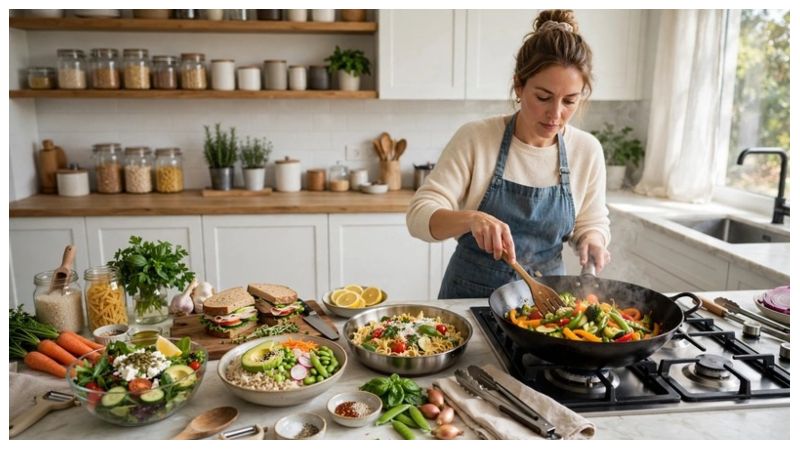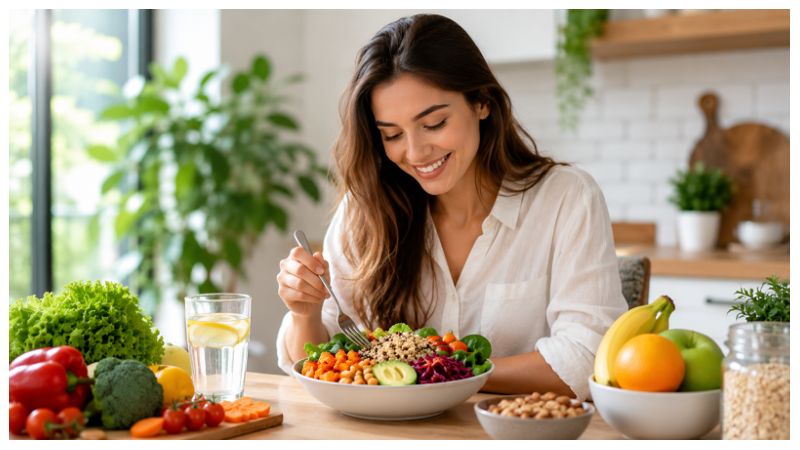
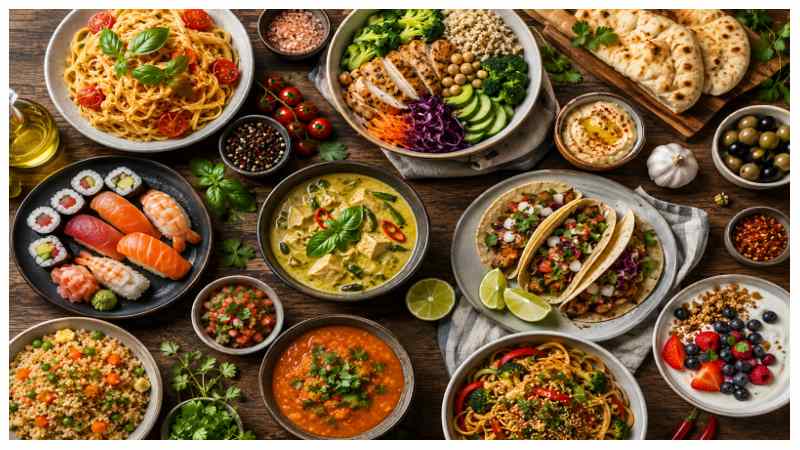
Food has become more than just a daily necessity—it is now a way to explore cultures, improve health, and connect with people around the world. As international recipes, cooking techniques, and ingredients become more accessible, home cooks have endless opportunities to experiment with exciting flavors. From Mediterranean salads to Asian stir-fries and Latin American street food, global cuisine continues to inspire kitchens everywhere.
Food Jalbiteblog: Global Food Inspiration explores how worldwide food trends influence everyday cooking while encouraging healthier eating habits and culinary creativity. By understanding global food inspiration, anyone can prepare delicious meals that combine nutrition, variety, and authentic flavors.
Understanding Global Food Inspiration
Global food inspiration refers to discovering recipes, ingredients, and cooking techniques from different cultures and adapting them for everyday meals. It encourages people to step beyond familiar dishes and experience diverse culinary traditions from around the world.
Today’s interconnected world makes it easier than ever to access international recipes through travel, food blogs, cooking shows, and social media. Home cooks can now recreate authentic dishes using locally available ingredients while learning about different cultures through food.
Global food inspiration also promotes healthier eating by introducing nutrient-rich ingredients, balanced cooking methods, and diverse meal options.
Why Global Food Trends Matter
Food trends influence how people shop, cook, and enjoy meals every day. They encourage consumers to discover healthier ingredients, embrace sustainable practices, and explore international cuisines.
Modern food trends also inspire restaurants, grocery stores, and food manufacturers to develop products that meet changing consumer preferences. Growing interest in plant-based meals, organic ingredients, and whole foods demonstrates how global awareness continues to shape food choices.
Keeping up with food trends allows individuals to improve their cooking skills while creating more nutritious and enjoyable meals.
Food Jalbiteblog: Global Food Inspiration
Exploring Flavors from Around the World
Every country offers unique ingredients, spices, and cooking techniques that contribute to its distinctive cuisine. Exploring these flavors allows home cooks to expand their culinary knowledge while creating exciting meals.
Popular international flavors include:
- Mediterranean herbs and olive oil
- Japanese umami seasonings
- Indian aromatic spices
- Mexican chilies and fresh salsa
- Thai curry pastes
- Middle Eastern herbs and grains
Trying international recipes introduces new tastes while encouraging creativity in the kitchen.
How Global Cuisine Inspires Everyday Cooking
Global cuisines inspire people to prepare healthier and more diverse meals using fresh ingredients and simple cooking methods.
Many families now incorporate international recipes into weekly meal plans by preparing dishes such as:
- Vegetable stir-fries
- Mediterranean grain bowls
- Homemade tacos
- Pasta dishes
- Curry recipes
- Rice bowls
These meals provide variety while helping families enjoy balanced nutrition.
What Is Global Food Inspiration?
Global food inspiration involves learning from culinary traditions around the world and adapting those ideas to suit personal preferences, dietary needs, and available ingredients.
Rather than copying recipes exactly, home cooks often blend techniques and flavors to create meals that fit their own lifestyles.
Definition of Global Food Inspiration
Global food inspiration is the practice of discovering and applying cooking styles, ingredients, and recipes from different countries to create enjoyable, nutritious meals.
It promotes:
- Cultural appreciation
- Culinary creativity
- Balanced nutrition
- Flavor diversity
- Continuous learning
This approach makes cooking both educational and enjoyable.
The Evolution of International Food Culture
International food culture has changed dramatically over recent decades. Improved transportation, global trade, and digital communication have made ingredients from around the world more accessible than ever.
Today, people can easily learn how to prepare authentic international dishes through:
- Online cooking classes
- Recipe websites
- Video tutorials
- Food blogs
- Social media platforms
This exchange of culinary knowledge encourages greater appreciation for global traditions while inspiring innovation.
Factors Influencing Global Food Choices
Many factors shape modern food preferences across different countries.
Important influences include:
- Health awareness
- Cultural diversity
- Environmental sustainability
- Social media
- Scientific nutrition research
- Travel experiences
- Economic factors
- Consumer demand
Together, these influences continually shape the future of global food culture.
Popular Global Food Trends
Several food trends continue influencing households worldwide by promoting healthier and more sustainable eating habits.
Healthy and Clean Eating
Clean eating focuses on selecting minimally processed foods prepared with fresh, wholesome ingredients.
Common choices include:
- Fresh fruits
- Vegetables
- Whole grains
- Lean proteins
- Healthy fats
- Natural seasonings
This approach emphasizes nutritional quality while reducing highly processed foods.
Plant-Based Food Movement
Plant-based eating continues growing as more people include vegetables, legumes, nuts, seeds, and whole grains in their meals.
Popular plant-based foods include:
- Lentils
- Chickpeas
- Black beans
- Tofu
- Quinoa
- Spinach
- Broccoli
Plant-based meals provide valuable nutrients while encouraging dietary variety.
High-Protein Meal Ideas
Protein remains an essential nutrient for supporting muscles, energy, and overall wellness.
Healthy protein options include:
- Chicken
- Fish
- Eggs
- Greek yogurt
- Cottage cheese
- Beans
- Lentils
- Tofu
Including protein in every meal helps promote fullness and supports balanced nutrition.
Organic and Natural Ingredients
Consumers increasingly prefer foods produced with fewer artificial additives and preservatives.
Organic produce, natural seasonings, and minimally processed ingredients remain popular choices among health-conscious shoppers seeking fresher, more nutritious meals.
Global Cuisine Around the World
One of the most exciting aspects of global food inspiration is experiencing diverse culinary traditions.
Mediterranean Cuisine
Mediterranean cooking emphasizes fresh vegetables, olive oil, legumes, seafood, whole grains, herbs, and lean proteins.
Popular Mediterranean dishes include:
- Greek salad
- Hummus
- Grilled fish
- Couscous bowls
- Vegetable stews
This cuisine is widely recognized for its balanced nutritional profile and fresh ingredients.
Asian Food Inspirations
Asian cuisine offers remarkable diversity through ingredients, spices, and cooking techniques.
Popular dishes include:
- Stir-fries
- Sushi
- Ramen
- Fried rice
- Dumplings
- Curry
Many Asian recipes emphasize vegetables, rice, seafood, and flavorful seasonings while using relatively simple cooking methods.
Latin American Flavors
Latin American cuisine combines colorful vegetables, beans, corn, rice, fresh herbs, and bold spices.
Popular meals include:
- Tacos
- Burritos
- Empanadas
- Rice bowls
- Ceviche
These dishes often balance vibrant flavors with nutritious ingredients.
European Culinary Traditions
European cuisine varies widely across countries but commonly features fresh ingredients and traditional cooking techniques.
Popular examples include:
- Italian pasta
- French soups
- Spanish paella
- German breads
- British roasted meals
European recipes continue inspiring home cooks worldwide.
Technology and Modern Food Inspiration
Technology has transformed how people discover recipes, purchase groceries, and prepare meals.
Social Media Food Trends
Social media platforms have become powerful sources of culinary inspiration.
Food creators regularly share:
- Healthy recipes
- Cooking demonstrations
- Meal preparation ideas
- Food photography
- Kitchen organization tips
Short videos make learning new recipes quick and enjoyable.
AI and Smart Cooking Tools
Artificial intelligence is making cooking more convenient.
Modern AI-powered tools can:
- Recommend recipes
- Create personalized meal plans
- Suggest ingredient substitutions
- Calculate nutritional values
- Generate shopping lists
These technologies simplify meal planning for busy households.
Online Recipe Platforms
Recipe websites provide thousands of recipes suitable for every cooking skill level and dietary preference.
Many platforms include:
- Step-by-step instructions
- Cooking videos
- Nutrition information
- User reviews
- Ingredient substitutions
These resources help beginners cook with confidence.
Food Delivery and Digital Dining
Digital food services have expanded far beyond restaurant delivery.
Consumers now enjoy:
- Grocery delivery
- Meal kit subscriptions
- Ready-to-cook ingredient boxes
- Healthy prepared meals
These services offer convenience while encouraging home cooking and balanced eating.
Healthy Eating with Global Flavors
Healthy eating becomes more enjoyable when meals include ingredients and cooking styles from different cultures. Global cuisines offer countless ways to prepare balanced dishes using fresh vegetables, lean proteins, whole grains, and healthy fats. Exploring these recipes allows families to enjoy greater variety while meeting their nutritional needs.
Building Balanced Meals
A balanced meal combines foods from each major food group to provide the body with essential nutrients. International cuisines naturally encourage this approach by pairing vegetables, proteins, grains, and healthy fats in one dish.
A balanced plate may include:
- Fresh vegetables
- Lean protein
- Whole grains
- Healthy fats
- Fresh fruit
This combination supports energy, digestion, and overall wellness.
Whole Foods and Fresh Ingredients
Whole foods remain the foundation of many traditional cuisines around the world.
Healthy ingredients include:
- Fresh fruits
- Vegetables
- Whole grains
- Beans
- Nuts
- Seeds
- Fresh herbs
Using minimally processed ingredients improves both nutrition and flavor while reducing unnecessary additives.
Functional Foods for Wellness
Functional foods provide nutrients that support overall health beyond basic nutrition.
Popular examples include:
- Yogurt with probiotics
- Oats
- Blueberries
- Fatty fish
- Garlic
- Turmeric
- Fermented vegetables
Including these foods regularly may support digestion, heart health, and immune function.
Low-Sugar and Low-Processed Eating
Many modern diets focus on limiting foods high in added sugar and artificial ingredients.
Healthier alternatives include:
- Fresh fruit
- Homemade snacks
- Plain yogurt
- Whole-grain bread
- Water instead of sugary beverages
Reducing processed foods encourages better long-term eating habits.
Home Cooking Inspiration
Preparing meals at home gives families complete control over ingredients, portion sizes, and cooking methods.
Quick and Easy Family Recipes
Simple recipes make healthy cooking practical for busy schedules.
Examples include:
- Vegetable stir-fries
- Chicken wraps
- Rice bowls
- Pasta with vegetables
- Homemade soups
- Sheet-pan dinners
These meals require minimal preparation while delivering satisfying nutrition.
Meal Prep and Batch Cooking
Preparing meals ahead of time saves both time and effort during busy weeks.
Benefits include:
- Faster weekday meals
- Better portion control
- Reduced food waste
- Lower grocery costs
- Easier healthy eating
Batch cooking also minimizes daily kitchen stress.
One-Pot and One-Pan Meals
One-pot recipes combine several ingredients into a single dish, reducing cleanup while maximizing flavor.
Popular options include:
- Chili
- Curry
- Pasta
- Rice dishes
- Soups
- Stews
These recipes are convenient for families and beginner cooks alike.
Budget-Friendly Home Cooking
Healthy eating can remain affordable through careful planning.
Helpful strategies include:
- Buying seasonal produce
- Purchasing grains in bulk
- Using leftovers creatively
- Planning weekly meals
- Cooking at home more often
Simple planning helps reduce unnecessary food expenses.
Exploring New Ingredients
Trying unfamiliar ingredients keeps cooking exciting while expanding nutritional variety.
Herbs and Spices from Around the World
Herbs and spices add flavor without relying on excess salt or sugar.
Popular choices include:
- Basil
- Cilantro
- Rosemary
- Thyme
- Turmeric
- Cumin
- Paprika
These ingredients help create authentic international dishes.
Superfoods and Functional Ingredients
Many globally popular ingredients are valued for their nutritional content.
Examples include:
- Chia seeds
- Quinoa
- Kale
- Avocados
- Berries
- Flaxseed
Adding these foods to everyday meals increases dietary diversity.
Seasonal and Local Produce
Seasonal fruits and vegetables often provide:
- Better flavor
- Higher freshness
- Greater affordability
- Excellent nutritional quality
Buying local produce also supports nearby farmers and communities.
Creative Ingredient Combinations
Combining ingredients from different cuisines encourages culinary creativity.
Ideas include:
- Mediterranean grain bowls
- Asian-inspired salads
- Mexican rice bowls
- Italian vegetable pasta
- Middle Eastern wraps
These combinations create unique and satisfying meals.
Sustainable Food Practices
Modern food inspiration also encourages environmentally responsible habits.
Reducing Food Waste
Reducing waste benefits both households and the environment.
Simple methods include:
- Planning meals
- Proper food storage
- Freezing leftovers
- Using ripe produce promptly
- Buying only what is needed
These habits help save money while reducing waste.
Choosing Seasonal Foods
Seasonal ingredients are often:
- Fresher
- More flavorful
- Less expensive
- Locally available
Seasonal shopping supports sustainable agriculture.
Eco-Friendly Cooking Habits
Environmentally friendly cooking includes:
- Using reusable containers
- Conserving water
- Cooking efficient meal sizes
- Recycling packaging
- Composting food scraps where possible
Small actions contribute to long-term sustainability.
Sustainable Grocery Shopping
Consumers can shop more responsibly by:
- Carrying reusable bags
- Choosing products with recyclable packaging
- Supporting local producers
- Buying responsibly sourced ingredients
These decisions promote healthier food systems.
Smart Grocery Shopping
Healthy meals begin with smart purchasing decisions.
Reading Nutrition Labels
Nutrition labels help shoppers compare foods before purchasing.
Pay attention to:
- Serving size
- Calories
- Protein
- Fiber
- Sodium
- Added sugars
Reading labels supports informed choices.
Choosing Fresh Ingredients
Quality ingredients improve both flavor and nutrition.
Look for:
- Bright vegetables
- Firm fruit
- Fresh herbs
- Lean meats
- Whole grains
Fresh foods form the foundation of healthy cooking.
Planning Healthy Grocery Lists
Creating a shopping list helps:
- Stay organized
- Reduce impulse purchases
- Save money
- Minimize food waste
Planning makes grocery shopping more efficient.
Shopping on a Budget
Affordable healthy shopping includes:
- Comparing prices
- Buying frozen vegetables
- Choosing store brands
- Purchasing pantry staples in bulk
- Planning meals around weekly specials
Healthy eating does not require expensive ingredients.
Benefits of Global Food Inspiration
Global cuisine provides many advantages for home cooks.
Encourages Healthier Eating
International recipes often emphasize fresh produce, lean proteins, herbs, and whole grains, supporting better nutrition.
Expands Cooking Skills
Trying recipes from different cultures improves cooking techniques and builds confidence in the kitchen.
Introduces New Flavors
Exploring global cuisine allows families to enjoy exciting combinations of herbs, spices, vegetables, and proteins.
Makes Meals More Enjoyable
Variety prevents meal boredom while making everyday cooking more creative and rewarding.
Common Mistakes to Avoid
Following Every Viral Food Trend
Not every popular recipe provides lasting nutritional value.
Choose trends that fit your dietary needs and lifestyle rather than simply following online popularity.
Ignoring Nutritional Balance
Healthy meals should always include a balance of vegetables, protein, whole grains, and healthy fats.
Choosing Convenience Over Quality
Highly processed convenience foods may save time but often contain excess sodium, sugar, and preservatives.
Preparing fresh meals usually offers better nutrition.
Buying Unnecessary Specialty Ingredients
Many international recipes can be prepared using affordable, commonly available ingredients.
Focus on building a versatile pantry instead of purchasing expensive specialty products.
Tips for Exploring Global Cuisine
Follow Food Jalbiteblog for Inspiration
Regularly reading trusted food blogs introduces new recipes, seasonal ingredients, and practical cooking techniques.
Watch International Cooking Videos
Cooking videos demonstrate preparation methods, ingredient handling, and presentation techniques that improve confidence.
Try One New Recipe Each Week
Preparing a new recipe regularly expands cooking knowledge while introducing exciting flavors.
Learn Basic Cooking Techniques
Mastering essential skills such as chopping, sautéing, roasting, steaming, and grilling makes international cooking much easier.
Frequently Asked Questions (FAQ)
What Is Food Jalbiteblog: Global Food Inspiration?
It is a guide to exploring international cuisines, healthy recipes, modern food trends, and practical cooking ideas that inspire better everyday meals.
How Can Beginners Explore International Cuisine?
Start with simple recipes, use familiar ingredients, and gradually experiment with herbs, spices, and cooking methods from different cultures.
Are Global Food Trends Healthy?
Many global food trends promote balanced nutrition through fresh ingredients, whole foods, and healthier cooking methods. However, it is important to choose trends that support overall wellness.
What Are the Best Ingredients to Start With?
Good beginner ingredients include olive oil, garlic, onions, fresh herbs, whole grains, beans, rice, vegetables, and simple spices like paprika, cumin, and oregano.
Conclusion
Bringing Global Food Inspiration into Everyday Cooking
Exploring international cuisine allows home cooks to enjoy greater variety while improving nutrition and cooking skills. Fresh ingredients, balanced meals, and diverse flavors transform everyday cooking into an enjoyable experience. By trying recipes from different cultures and adopting sustainable food habits, anyone can create delicious meals that suit their lifestyle.
Enjoying Better Meals with Food Jalbiteblog
Food Jalbiteblog: Global Food Inspiration celebrates the richness of worldwide cuisine while encouraging healthier eating and creative home cooking. Whether you are discovering Mediterranean classics, Asian-inspired dishes, Latin American favorites, or modern fusion recipes, global food inspiration helps you prepare flavorful, nutritious meals that bring excitement and balance to every table.