Cooking is an essential life skill that supports healthy living, creativity, and independence. However, many beginners often feel confused when deciding where to start. One common question people ask is: what method of cooking is easy to use fhthopefood?
The answer depends on experience level, available equipment, time, and personal preference. Some cooking techniques require advanced skills, while others are simple and beginner-friendly. Understanding easy cooking methods can help you build confidence and enjoy time in the kitchen without stress.
This guide explains different cooking methods in detail and highlights which ones are most suitable for beginners and busy individuals.
Why Choosing the Right Cooking Method Matters
Selecting the right cooking method affects taste, texture, nutrition, and overall cooking experience. Some methods preserve nutrients better, while others enhance flavor through browning or slow simmering.
Choosing a simple method:
-
Reduces cooking stress
-
Minimizes mistakes
-
Saves time
-
Makes learning enjoyable
When beginners choose complicated techniques too early, they may feel discouraged. Starting with easy methods builds skill gradually and increases motivation to continue cooking.
Understanding Basic Cooking Methods
Cooking methods are generally divided into three main categories:
-
Dry heat cooking methods
-
Moist heat cooking methods
-
Combination cooking methods
Each category has unique characteristics and uses different techniques.
Dry Heat Cooking Methods
Dry heat cooking uses hot air or direct heat without water. These methods include:
-
Baking
-
Roasting
-
Grilling
-
Frying
Dry heat methods often create crispy textures and rich flavors. For example, baking uses hot air circulation in an oven to cook food evenly.
Although dry heat methods can produce delicious results, some require careful temperature control, which may be slightly challenging for beginners.
Moist Heat Cooking Methods
Moist heat cooking uses water, steam, or broth to cook food. These methods include:
-
Boiling
-
Steaming
-
Poaching
-
Simmering
Moist heat techniques are usually easier to manage and are ideal for beginners. They require simple equipment like pots and steamers.
These methods are also healthier because they often use little or no oil.
Combination Cooking Methods
Combination cooking uses both dry and moist heat. Examples include:
-
Braising
-
Stewing
These techniques start with browning food in dry heat and then cooking it slowly in liquid.
While combination methods produce flavorful meals, they require more time and attention, making them slightly more advanced.
What Method of Cooking Is Easy to Use for fhthopefood
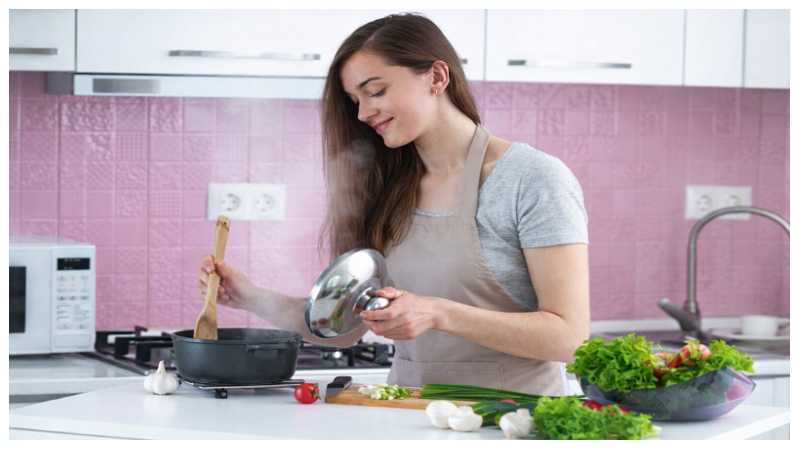
When discussing what method of cooking is easy to use fhthopefood, the simplest options for beginners include:
-
Boiling
-
Steaming
-
Stir-frying
-
Baking
-
Slow cooking
These methods are practical, easy to control, and require basic equipment.
Boiling – Simple and Beginner Friendly
Boiling is one of the easiest cooking methods. It involves heating water to its boiling point and cooking food inside it.
Why boiling is easy:
-
Requires only a pot and water
-
Easy temperature control
-
Minimal supervision
Foods commonly boiled:
-
Pasta
-
Rice
-
Eggs
-
Vegetables
Boiling is perfect for beginners because it reduces the risk of burning food.
Steaming – Healthy and Easy
Steaming cooks food using hot steam instead of direct water contact.
Benefits of steaming:
-
Preserves nutrients
-
Maintains natural flavor
-
Requires little oil
Steaming vegetables, fish, and dumplings is simple and healthy. It is an excellent method for those focusing on balanced diets.
Stir-Frying – Quick and Practical
Stir-frying involves cooking small pieces of food quickly in a small amount of oil over medium to high heat.
Why stir-frying is practical:
-
Fast cooking time
-
Simple equipment (pan or wok)
-
Ideal for vegetables and proteins
This method is slightly faster-paced but becomes easy with practice.
Baking – Convenient and Low Effort
Baking uses dry heat inside an oven. It is often considered low effort because once food is placed in the oven, minimal supervision is required.
Advantages of baking:
-
Even cooking
-
Suitable for large batches
-
Less active cooking time
Foods commonly baked:
-
Bread
-
Cakes
-
Casseroles
-
Chicken
Baking is ideal for individuals who prefer structured, step-by-step instructions.
Slow Cooking – Minimal Supervision Needed
Slow cooking prepares food gently at a low temperature for an extended amount of time.
Why it is easy:
-
Minimal monitoring
-
Simple ingredient preparation
-
Tender results
You combine ingredients, set low heat, and allow the food to cook slowly.
This method is perfect for busy individuals who want home-cooked meals without constant attention.
Comparing Easy Cooking Methods
Different methods suit different needs. Comparing them helps you decide which is best for your lifestyle.
Which Method Requires Less Equipment?
Boiling and steaming require the least equipment:
-
One pot
-
Water
-
Basic stove
Stir-frying requires a pan, and baking requires an oven.
Therefore, boiling is often the simplest starting point.
Which Method Saves the Most Time?
Stir-frying usually saves the most time because food cooks quickly at high heat.
Boiling also saves time for foods like pasta or eggs.
Slow cooking takes longer overall but requires little effort during cooking.
Which Method Is Healthier for Daily Use?
Steaming is widely regarded as one of the most nutritious cooking techniques due to the following benefits:
-
Preserves nutrients
-
Uses no added fats
-
Maintains natural taste
Boiling and baking can also be healthy depending on ingredient choices.
Benefits of Using Simple Cooking Techniques
Choosing simple methods provides many advantages.
Builds Confidence for Beginners
Easy techniques reduce fear of failure. When beginners successfully prepare meals, they feel encouraged to try new recipes.
Confidence grows step by step.
Reduces Kitchen Mistakes
Simple cooking reduces common errors like burning, undercooking, or uneven heating.
When techniques are straightforward, there is less room for confusion.
Saves Time and Energy
Practical cooking methods help manage busy schedules. Quick techniques prevent unnecessary stress.
Makes Healthy Eating Easier
Simple cooking encourages home meal preparation. Home-cooked meals often contain fewer additives and preservatives compared to processed food.
Tips for Beginners Starting Out
Starting with the right mindset is important.
Start with Basic Recipes
Choose simple recipes with fewer ingredients.
Avoid complicated dishes in the beginning.
Prepare Ingredients Before Cooking
Measure and cut ingredients before turning on the stove.
Preparation prevents stress during cooking.
Follow Instructions Step-by-Step
Read recipes carefully.
Do not skip steps, even if they seem small.
Practice Regularly to Improve Skills
Cooking improves with repetition.
The more you practice, the easier it becomes.
Common Mistakes to Avoid
Understanding common mistakes helps prevent frustration.
Using High Heat Too Quickly
High heat can burn food before it cooks inside.
Start with medium heat and adjust gradually.
Skipping Recipe Instructions
Ignoring steps can change texture and flavor.
Always follow guidance carefully.
Overcooking or Undercooking Food
Timing is important.
Set timers if necessary to avoid mistakes.
Conclusion
Choosing the Best Easy Cooking Method for Your Lifestyle
Understanding what method of cooking is easy to use fhthopefood helps simplify your kitchen experience. For most beginners, boiling and steaming are the easiest starting points. Stir-frying and baking are also practical once you gain confidence.
The best cooking method depends on your time, equipment, and personal goals. Whether you prefer quick meals or slow comfort dishes, starting with simple techniques builds long-term skills.
Cooking does not need to be complicated. By choosing beginner-friendly methods and practicing regularly, you can transform everyday meals into enjoyable experiences.