Starting a food service operation requires strict control over fixed costs and a clear audience definition. Founders must secure adequate working capital before signing a commercial lease. Success depends on balancing a front-of-house atmosphere with highly efficient kitchen workflows.
Introduction
Many first-time operators focus entirely on the menu while ignoring the hard math of commercial real estate. When you open a restaurant your daily survival relies heavily on controlling labor costs and maximizing table turnover. You will learn the exact sequence required to fund, design, and manage a profitable dining space. Getting these operational details right prevents the rapid cash burn that forces early closures.
Pinning Down Your Core Concept
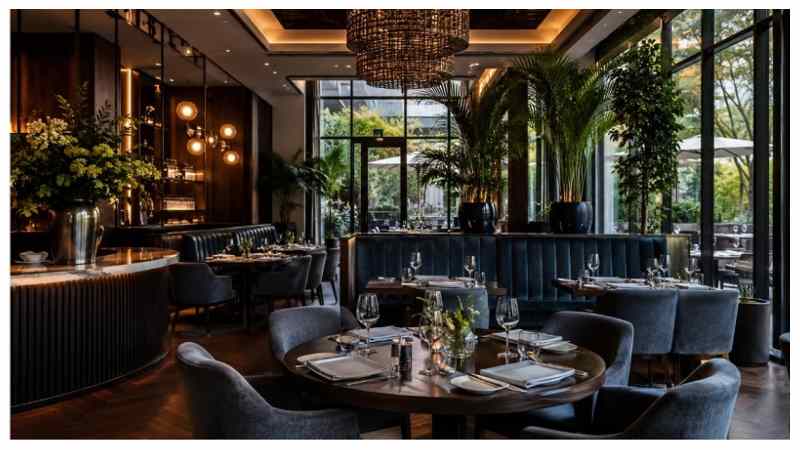
Your target demographic dictates every choice from seat height to the cost of a pint of beer. A fast-casual spot in downtown Austin targets office workers wanting a quick transaction during their brief lunch hour. A fine-dining space demands cushioned seating, ambient lighting, and a knowledgeable sommelier on staff. Clarify exactly who you want walking through your front doors before you sign any commercial lease paperwork.
We saw this concept execution play out perfectly with the launch of Salt & Roe. The founding team identified a clear gap for upscale coastal cuisine catering specifically to evening crowds. By strictly targeting date-night diners, they reduced early morning labor hours and minimized daily food waste. Their highly focused operational approach kept initial inventory costs surprisingly low during the critical first three months.
Menu Math and Prime Costs
Profit margins in the food industry sit historically tight, often hovering around five to ten percent on average. To stay alive during your critical first year, your prime costs must remain strictly below sixty percent of total gross sales. Calculate your monthly operating expenses carefully by constantly monitoring these specific metrics across your entire operation to ensure you actually generate positive cash flow.
- Keep your food cost of goods sold below thirty percent of menu prices
- Cap hourly and salaried labor expenses at thirty percent of total revenue
- Negotiate commercial rent to stay under eight percent of gross monthly sales
- Track kitchen waste and spoilage weekly using physical clipboard inventory checks
Financing and Real Estate Strategy
Commercial spaces equipped with existing grease traps and heavy-duty hood vents save operators hundreds of thousands of startup dollars. Installing a brand new commercial kitchen exhaust system easily costs over forty thousand dollars depending on the building layout and local codes. Finding a second-generation space reduces your initial capital requirements and drastically speeds up your opening timeline by bypassing extensive structural engineering delays.
A common mistake involves undercapitalizing the first six months of daily operations. Most new venues lose money daily until neighborhood foot traffic builds and staff efficiency improves over time. You need a cash reserve equal to six months of operating expenses sitting safely in a bank account. Small Business Administration loans often provide the most favorable interest rates for hospitality startups requiring heavy equipment purchases.
Negotiating the Commercial Lease
Always hire a specialized tenant broker who understands hospitality real estate before looking at empty properties. Landlords often provide a tenant improvement allowance to help cover the massive costs of building out the dining room. Push for a free rent period during your construction phase so you avoid paying high monthly lease rates for a vacant building while waiting for city permits.
- Ask for a five-year initial lease equipped with a five-year renewal option
- Verify the roof HVAC unit tonnage actively supports heavy kitchen heat loads
- Check local city zoning laws regarding late-night patio seating and noise rules
- Confirm the building offers adequate parking or safe public transit access points
Designing Workflows and Floor Plans
Kitchen layout directly dictates your speed of service on a busy Friday night rush. The physical distance a line cook travels from the prep fridge to the Rational combi oven changes ticket times by crucial minutes. A chaotic kitchen layout inevitably leads to cold food, highly stressed staff members, and unhappy guests leaving negative reviews online about terrible service delays during peak hours.
The dining room flow matters just as much as your back-of-house cooking stations. Waitstaff need completely clear paths from the expo window to the tables without bumping into seated guests or hidden bussing stations. Using a cloud-based point of sale system like Toast POS allows servers to send digital orders directly from handheld tablets, drastically reducing the time spent running back to terminals.
Selecting Commercial Equipment
Buying brand new equipment directly from major suppliers like Sysco or US Foods provides excellent warranties and reliable preventative maintenance schedules. Purchasing refurbished Hobart mixers or prep tables at local restaurant auctions saves massive amounts of early startup capital. Balance your equipment budget by splurging on critical high-volume heating elements while saving money on standard stainless steel work tables and basic shelving units.
- Install slip-resistant quarry tile flooring throughout all prep and cooking areas
- Place handwashing sinks precisely where the local health code inspector dictates
- Keep the dirty dish pit entirely separated from fresh food assembly zones
- Designate a secure dry storage room locked exclusively for expensive liquor bottles
Licensing and Hiring Protocols
Dealing with local government regulatory agencies requires deep patience and a highly organized paper trail. You cannot legally serve a single paying customer without passing a stringent health department physical inspection. Liquor licenses present the absolute largest hurdle because many states strictly cap the total number of alcohol permits available within specific city limit boundaries, forcing operators to buy them on secondary markets.
Industry veterans know that building a reliable operational team starts with hiring a competent general manager and a highly experienced executive chef. Look for leaders who truly know how to calculate portion costs and manage difficult weekly employee schedules. High turnover ruins service consistency instantly, so pay your back-of-house staff a highly competitive livable wage to keep your absolute best line cooks showing up every day.
Staff Training Programs
Do not unlock your front doors for the public without conducting a series of intensive mock service nights. Invite family and friends to simulate a completely packed dining room while the newly hired staff practices their exact routines. Finding out your kitchen ticket printer drops orders is much better during a free practice run than on a highly publicized opening night with paying guests.
- Write a clear employee handbook detailing strict attendance and tardiness policies
- Train servers on specific peanut allergy protocols and cross-contamination risks
- Conduct weekly wine and menu tasting sessions for front-of-house selling confidence
- Set mandatory cleaning checklists covering both the opening and closing shifts
Marketing and Community Engagement
Relying purely on natural foot traffic kills independent hospitality concepts within their very first year. Building intense local anticipation starts months before you actually finish the interior construction and turn on the open sign. Operators must capture neighborhood attention early by running highly targeted social media advertising campaigns focused purely on the surrounding three-mile zip code radius to capture daily commuters.
Hosting a private soft opening for neighboring small business owners creates immediate local goodwill and highly valuable early word of mouth. When we helped a local cafe owner launch in Chicago, handing out free pastry samples to local bank tellers generated a massive daily lunch rush. Strong community goodwill drives reliable repeat business during the notoriously slow winter hospitality months when tourism drops.
Digital Presence Strategies
Claim your Google Business Profile early to ensure mapping applications send drivers to the exact correct front door. Hiring a professional food photographer pays off instantly because amateur smartphone photos make expensive dishes look unappetizing on menus. Your website strictly needs a clean menu page, a functional reservation widget, and highly accurate operating hours so guests know exactly when to arrive for dinner service.
- Partner with a reservation platform like Resy or OpenTable to manage tables
- Collect guest email addresses for special holiday dinner promotions and events
- Respond quickly and professionally to all early Yelp and Google platform reviews
- Post authentic behind-the-scenes construction updates on Instagram to build hype
Wrap Up
Launching a successful dining venue requires equal parts culinary creativity and strict financial discipline. You must protect your working capital, negotiate smart real estate leases, and hire professionals who understand commercial kitchen workflows. Keeping your prime costs in check during those crucial early months builds the foundation for long-term survival. Treat your operational math with the same respect you give your signature recipes.
FAQs Section
How much capital do you actually need to open a restaurant?
A standard commercial dining space typically requires between $250 and $500 per square foot for a complete build-out. Founders should secure enough funding to cover the physical construction costs plus six full months of daily operating expenses.
Why do most independent food service operations fail?
The most common cause of failure is undercapitalization combined with poor prime cost management during the first operational year. Owners frequently fail to monitor their exact food waste and daily labor percentages, leading to rapid cash depletion.
What licenses are required to serve food and alcohol legally?
You need a general business license, a local health department sanitation permit, and a specific liquor license approved by your state beverage control board. Securing a liquor license often takes several months and requires passing extensive background checks and zoning approvals.