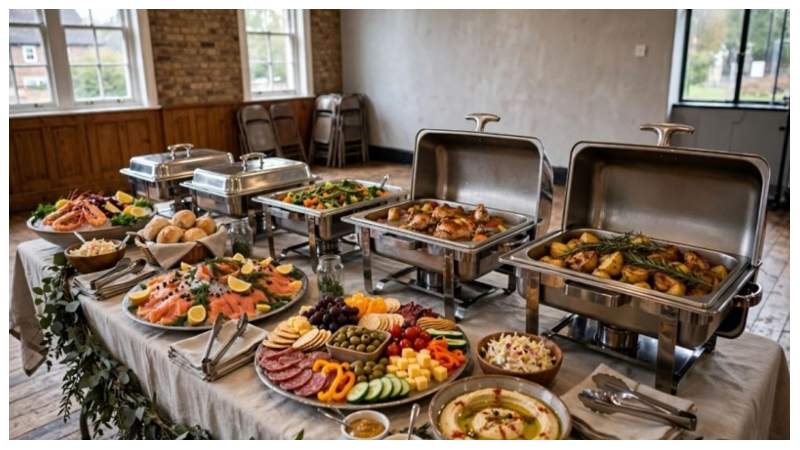
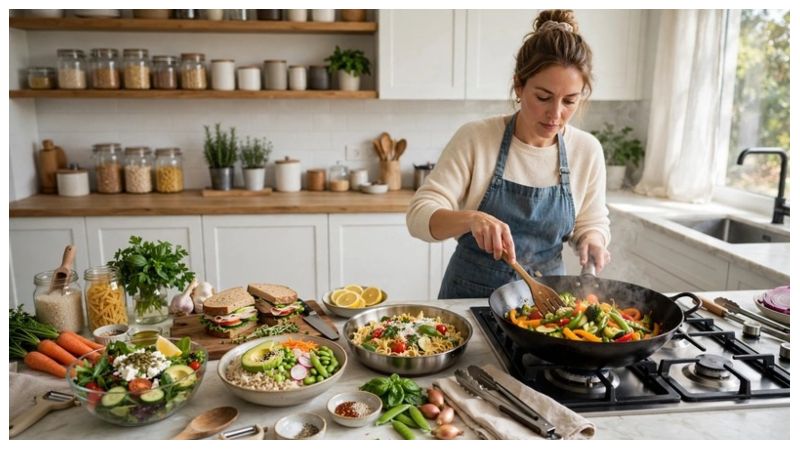
Fast meals are dishes that can be prepared, cooked, and served in a short amount of time. They are especially useful when people have busy schedules but still want a satisfying meal at home. A fast meal does not have to mean unhealthy food or packaged convenience products. With the right ingredients and preparation methods, a quick meal can include vegetables, protein, healthy carbohydrates, and flavorful seasonings.
Many fast meals take between 10 and 30 minutes to prepare. Some require cooking, while others can be assembled without using a stove. Salads, sandwiches, wraps, omelets, rice bowls, pasta dishes, and stir-fries are common examples. The main idea is to reduce unnecessary preparation while keeping the meal practical and enjoyable.
Why Quick Meals Are Popular
Quick meals have become popular because modern schedules often leave limited time for cooking. Work, school, family responsibilities, commuting, and other daily activities can make long cooking sessions difficult. A simple recipe allows people to prepare food without spending an entire evening in the kitchen.
Fast meals can also reduce the temptation to skip meals or depend on less nutritious convenience foods. When basic ingredients are available, preparing a quick homemade dish can be an easy alternative. People can also adjust ingredients according to their preferences, making fast meals suitable for different tastes and dietary needs.
Benefits of Simple Meal Preparation
Simple meal preparation saves time and can make cooking less stressful. Recipes with fewer ingredients are usually easier to organize, prepare, and clean up afterward. They can also help beginners develop confidence in the kitchen.
Another advantage is better control over ingredients. When preparing food at home, you can decide how much salt, oil, sugar, seasoning, vegetables, and protein to include. Simple meals can therefore become part of a balanced everyday eating routine.
Best Ingredients for Fast Meals
Fresh and Ready-to-Use Ingredients
Fresh ingredients can make quick meals more nutritious and flavorful. Vegetables such as spinach, tomatoes, cucumbers, bell peppers, mushrooms, and carrots can be added to many dishes with little preparation.
Eggs, yogurt, cheese, cooked chicken, canned beans, and other convenient protein sources can also help create complete meals quickly. Choosing ingredients that require little chopping or preparation can make cooking much faster.
Pantry Staples
A well-stocked pantry is useful for creating fast meals when there is little time for shopping. Useful staples include rice, pasta, oats, canned beans, canned tomatoes, whole-grain bread, noodles, spices, and cooking oils.
These foods can form the foundation of many different recipes. For example, pasta and canned tomatoes can become a quick tomato pasta, while rice and beans can create a simple and filling bowl. Keeping versatile pantry foods available makes last-minute cooking easier.
Frozen and Pre-Cut Foods
Frozen vegetables can be particularly helpful because they are convenient and require little preparation. Peas, mixed vegetables, spinach, corn, and other frozen options can be added directly to many cooked dishes.
Pre-cut vegetables can also save time when available. Frozen ingredients are useful for busy days because they can remain stored until needed. However, it is still important to check product labels when choosing prepared foods, particularly for added salt, sauces, or other ingredients.
Easy Fast Meal Ideas
Quick Breakfast Ideas
Breakfast does not need to involve complicated recipes. Scrambled eggs with whole-grain toast and fruit can be prepared quickly. Yogurt with oats, fruit, and nuts is another simple option.
Smoothies can also work well when ingredients are prepared in advance. Combining fruit, yogurt or milk, oats, and other preferred ingredients creates a convenient breakfast. Overnight oats require preparation ahead of time but can be ready to eat in the morning.
Simple Lunch Recipes
Lunch can be as simple as a chicken or vegetable wrap, bean salad, or rice bowl. A wrap can combine cooked protein, vegetables, and a simple sauce inside a tortilla.
A rice bowl can be made using leftover rice, vegetables, beans, chicken, or eggs. Adding a flavorful dressing or seasoning can turn basic ingredients into a satisfying meal without requiring complicated cooking.
Easy Dinner Meals
Dinner is often the meal when people most appreciate quick recipes. One-pan chicken and vegetables, pasta with vegetables, vegetable omelets, and simple stir-fries are practical choices.
Using previously cooked ingredients can reduce preparation time. Leftover roasted vegetables or cooked grains can be transformed into a new meal by adding fresh ingredients and seasonings.
Fast Snacks and Light Meals
Fast snacks can help when a full meal is unnecessary. Fresh fruit, yogurt, nuts, toast, boiled eggs, or vegetable sticks can be prepared quickly.
For a more substantial light meal, try a small sandwich, soup with whole-grain bread, or a simple salad containing beans or another protein source. The goal is to choose something convenient without relying entirely on heavily processed snacks.
Healthy Fast Meals
Balanced Meals with Protein
Protein can help make a quick meal more satisfying. Eggs, beans, lentils, chicken, fish, tofu, yogurt, and other protein-rich foods can be incorporated into simple recipes.
A useful approach is to combine a protein source with vegetables and a carbohydrate. For example, a chicken and vegetable rice bowl provides several food groups in one easy dish.
Adding Vegetables and Fruits
Vegetables add color, texture, fiber, vitamins, and minerals to meals. Keeping a few easy-to-use vegetables available makes it easier to include them even when time is limited.
Fruit can be served as part of breakfast, added to yogurt, included in smoothies, or eaten as a snack. Fresh, frozen, or appropriately stored fruit can all be convenient options.
Choosing Healthy Carbohydrates
Carbohydrates provide energy and can be an important part of a balanced meal. Whole grains such as brown rice, oats, whole-grain bread, and whole-grain pasta can provide more fiber than refined alternatives.
Potatoes, corn, beans, and other carbohydrate-containing foods can also fit into fast meals. The important point is to consider the overall meal rather than treating one food group as automatically good or bad.
Smart Portion Sizes
Even healthy foods can contribute more energy than needed when portions are very large. Paying attention to portion sizes can help create balanced meals.
Instead of filling the entire plate with one ingredient, consider combining vegetables, protein, and carbohydrates in reasonable amounts. Eating slowly can also make it easier to recognize fullness.
Quick Cooking Methods
One-Pan Meals
One-pan meals are convenient because several ingredients can cook together. A simple combination might include chicken, vegetables, and potatoes or another carbohydrate.
Besides saving preparation time, one-pan cooking can reduce the number of dishes that need to be washed. This makes the method particularly useful for busy evenings.
Stir-Frying
Stir-frying is one of the fastest ways to cook vegetables and protein. Small pieces of ingredients cook quickly in a hot pan.
Vegetables such as peppers, broccoli, carrots, onions, and mushrooms can be combined with chicken, tofu, eggs, or another protein. A simple sauce made from common pantry ingredients can add flavor.
Air Frying
An air fryer can provide a convenient way to prepare foods with relatively little hands-on work. Vegetables, potatoes, chicken pieces, and other foods can often be prepared quickly.
Cooking times vary according to the food and appliance, so ingredients should be cooked according to appropriate food-safety guidance. Avoid overcrowding the basket when even cooking is important.
No-Cook and Minimal-Cook Meals
Not every fast meal needs extensive cooking. Salads, sandwiches, wraps, yogurt bowls, and cold grain dishes can be assembled quickly.
These meals are particularly useful during hot weather or when the kitchen needs to remain cool. Using cooked ingredients prepared earlier can make no-cook meals even easier.
Fast Meals for Busy People
Meals for Students
Students often need affordable meals that require minimal equipment and preparation. Eggs, pasta, rice, beans, sandwiches, and simple vegetable dishes can provide practical options.
Preparing larger quantities of rice, pasta, or beans can also make several meals easier to assemble throughout the week.
Quick Family Meals
Family meals need to accommodate different preferences while remaining simple. Tacos, pasta, rice bowls, wraps, and sheet-pan meals allow family members to customize their portions.
For example, ingredients can be served separately so everyone can choose their preferred combination of vegetables, protein, and toppings.
Easy Office Lunches
An office lunch should be easy to transport and eat. Sandwiches, grain bowls, salads, wraps, and leftovers can all work well.
Preparing lunch the night before can reduce morning stress. Use suitable food-storage containers and follow recommended food-safety practices when storing perishable foods.
Meals for Busy Weeknights
Weeknight meals are easier when recipes use familiar ingredients and require limited preparation. Keeping a few reliable recipes in rotation can reduce the need to decide what to cook every evening.
Batch cooking can also help. Preparing several servings at once provides leftovers that can become lunches or another dinner later in the week.
Tips for Preparing Meals Faster
Plan Your Meals
Meal planning does not have to mean creating a complicated weekly schedule. Even deciding on three or four meals before shopping can save time.
A basic plan also helps ensure that important ingredients are available when needed. It can reduce unnecessary grocery trips and make cooking more organized.
Prepare Ingredients in Advance
Washing vegetables, cooking grains, preparing sauces, or portioning ingredients ahead of time can shorten cooking sessions.
For example, cooked rice stored properly in the refrigerator can become the base of a quick meal later. Advance preparation is especially useful when several people need meals at different times.
Keep Your Kitchen Organized
An organized kitchen makes fast cooking easier. Keep commonly used utensils, spices, oils, and ingredients in accessible places.
Cleaning as you cook can also reduce the amount of work left after the meal. A clear workspace allows ingredients to be prepared more efficiently.
Use Time-Saving Cooking Tools
Useful kitchen tools can make everyday preparation faster. A sharp knife, cutting board, blender, microwave, rice cooker, pressure cooker, or air fryer may help depending on the type of food being prepared.
The best tools are those that you use regularly. There is no need to own every kitchen gadget; a few reliable tools can be enough for most quick meals.
Common Mistakes When Making Fast Meals
Using Too Many Ingredients
A common mistake is choosing recipes that require too many ingredients when the goal is speed. More ingredients often mean more chopping, measuring, cooking, and cleaning.
Simple combinations can be just as satisfying. Focus on a few complementary ingredients rather than trying to include everything at once.
Skipping Nutritional Balance
Fast cooking should not mean ignoring nutrition. A meal made quickly can still include protein, vegetables, carbohydrates, and healthy fats.
If a quick meal contains mostly one food group, consider adding a simple side. Fruit, vegetables, yogurt, beans, or another convenient food can improve the overall balance.
Poor Meal Planning
Without basic planning, fast meals can become difficult. Running out of essential ingredients may lead to unnecessary takeout or skipped meals.
Keeping a small list of reliable meal ideas and maintaining basic pantry staples can solve this problem.
Overcooking Simple Foods
Simple foods often require short cooking times. Overcooking vegetables, eggs, pasta, or lean proteins can affect their texture and flavor.
Pay attention while cooking and follow recommended cooking times. Learning how ingredients respond to heat can gradually improve cooking skills.
How to Make Fast Meals More Flavorful
Using Herbs and Spices
Herbs and spices can make simple meals taste more interesting without adding complicated preparation. Garlic, black pepper, paprika, cumin, oregano, basil, parsley, and chili flakes are useful choices.
Experimenting with different combinations can help turn the same basic ingredients into different meals.
Easy Homemade Sauces
A simple sauce can change the flavor of an entire dish. Yogurt-based sauces, tomato sauces, simple vinaigrettes, and basic herb dressings can be prepared quickly.
For example, yogurt mixed with herbs and lemon can create a fresh sauce for wraps or bowls. A simple dressing can make a basic salad more enjoyable.
Adding Fresh Toppings
Fresh toppings provide flavor, texture, and visual appeal. Chopped herbs, sliced tomatoes, green onions, cucumber, avocado, seeds, or a small amount of cheese can finish a quick meal.
These additions require little cooking and can make simple dishes feel more complete.
Conclusion
Making Fast Meals Simple, Healthy, and Delicious
Fast meals are a practical solution for people who want homemade food without spending a long time cooking. With a combination of convenient ingredients, basic planning, simple cooking methods, and flavorful additions, it is possible to prepare satisfying meals in a short period