
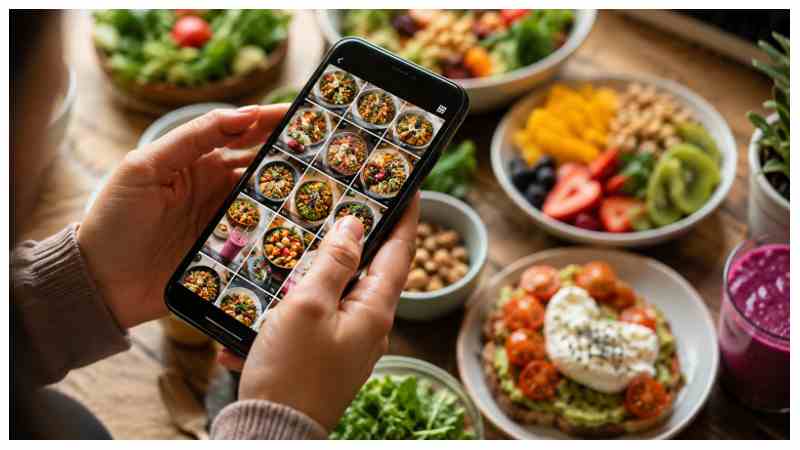
The internet has transformed the way people discover, prepare, purchase, and discuss food. A recipe can become popular within hours, while new ingredients, cooking techniques, and eating styles can reach audiences across the world almost instantly. From short recipe videos to food blogs and digital grocery services, online platforms have become an important source of everyday food inspiration.
Online Food Trends Fhthopefood: Food Guide explores the modern digital food landscape and explains how online trends can influence cooking habits, shopping decisions, and meal choices. While trends can introduce exciting ideas, it is important to evaluate them carefully and focus on nutritious foods, practical recipes, and personal dietary needs.
Understanding the Rise of Online Food Trends
Online food trends have grown alongside smartphones, social media, recipe websites, streaming platforms, and online shopping. People no longer need to rely exclusively on cookbooks or traditional cooking shows to discover new meals.
A short video can demonstrate an entire recipe, while a food creator can introduce an unfamiliar ingredient to millions of viewers. This accessibility has made cooking more interactive and experimental.
Digital food culture also allows people from different regions to share culinary traditions. A recipe that begins in one country can quickly inspire adaptations elsewhere.
Why Digital Food Culture Matters
Digital food culture matters because it affects more than entertainment. Online content can influence what people buy at grocery stores, which restaurants they visit, and which recipes they prepare at home.
Positive digital food content can encourage people to cook more often, eat more vegetables, explore different cuisines, and learn useful kitchen skills. However, online popularity does not automatically mean a food trend is nutritious or suitable for everyone.
Online Food Trends Fhthopefood: Food Guide
Exploring Modern Food Ideas
Modern online food culture offers an enormous range of ideas. Users can discover high-protein breakfasts, plant-based dinners, homemade snacks, international dishes, meal-preparation strategies, and budget-friendly recipes.
The best trends are often those that combine convenience with nutritional value. Simple meals made with accessible ingredients can have more lasting value than complicated viral recipes requiring specialized products.
How Online Trends Influence Eating Habits
Repeated exposure to certain foods can influence preferences and purchasing behavior. Attractive photographs, recipe videos, reviews, and recommendations can make particular ingredients appear especially appealing.
This influence can be positive when it encourages healthier choices. For example, seeing creative vegetable recipes may motivate someone to eat more produce. At the same time, people should avoid assuming that every popular online diet or recipe is automatically healthy.
What Are Online Food Trends?
Definition of Online Food Trends
Online food trends are recipes, ingredients, cooking methods, diets, products, or food-related ideas that gain attention through digital platforms.
They may become popular through:
- Social media
- Food blogs
- Video platforms
- Online communities
- Recipe websites
- Digital news outlets
Some trends disappear quickly, while others become long-term changes in cooking culture.
How Food Trends Become Popular
A food trend can spread when users repeatedly share, recreate, review, and modify an idea. Attractive presentation, simple preparation, unusual ingredients, and entertaining videos can all contribute to popularity.
Influencers and food creators can accelerate this process by introducing recipes to large audiences.
The Role of Social Media
Social media has become one of the fastest ways for food ideas to spread. Visual platforms allow users to see how a dish looks, while short-form videos demonstrate preparation techniques.
Hashtags, recommendations, comments, and sharing can expose users to recipes from different countries and cultures.
Popular Online Food Trends
Plant-Based Food
Plant-based eating continues to receive substantial online attention. Recipes featuring beans, lentils, vegetables, tofu, nuts, seeds, and whole grains offer alternatives to meals centered primarily on animal products.
Plant-based meals can be nutritious when they include adequate protein, fiber, vitamins, minerals, and other essential nutrients.
High-Protein Meals
High-protein recipes have become especially common in online food communities. Examples include egg bowls, Greek yogurt breakfasts, bean-based meals, cottage cheese dishes, and protein-rich smoothies.
Rather than focusing on protein alone, balanced meals should also include vegetables, whole grains, fruit, and appropriate sources of healthy fats.
Whole-Food Eating
Whole-food trends emphasize ingredients such as fruits, vegetables, whole grains, legumes, nuts, seeds, and minimally processed proteins.
This approach can encourage people to prepare meals from basic ingredients instead of depending heavily on highly processed foods.
Quick and Easy Recipes
Busy lifestyles have increased interest in recipes requiring minimal preparation. One-pan meals, five-minute breakfasts, simple sandwiches, and quick grain bowls are examples of practical online food content.
Convenience can be valuable when it helps people prepare nutritious meals instead of skipping meals or relying entirely on takeout.
Social Media and Food Culture
Instagram Food Inspiration
Instagram has helped make food photography an important part of digital culture. Colorful bowls, beautifully arranged meals, desserts, and restaurant dishes can inspire users to experiment with presentation and ingredients.
However, photographs show appearance rather than complete nutritional information, so visual appeal should not be the only factor when evaluating food.
TikTok Recipe Trends
Short-form recipe videos can make cooking techniques easier to understand. Users can quickly see mixing, chopping, baking, seasoning, and plating methods.
Because trends can spread extremely quickly, viewers should check ingredient quantities and preparation instructions rather than relying solely on a short video.
Food Bloggers and Creators
Food bloggers and creators often provide more detailed recipes than short social posts. Their content may include ingredient lists, substitutions, cooking times, serving suggestions, and step-by-step instructions.
Following creators who emphasize accurate information and practical recipes can make online food exploration more useful.
Viral Recipes and Challenges
Viral recipes can encourage experimentation and introduce people to unfamiliar ingredients. Some become permanent additions to home cooking, while others disappear after a short period.
It is wise to treat viral popularity as an invitation to explore rather than proof that a recipe is nutritionally superior.
Healthy Online Food Trends
Balanced Meals
A balanced meal generally includes several food groups rather than emphasizing a single nutrient. Vegetables or fruit, protein, whole grains, and healthy fats can work together to create a satisfying meal.
Fresh Fruits and Vegetables
Online recipes have made creative fruit and vegetable preparations more accessible. Roasted vegetables, smoothie bowls, fresh salads, vegetable wraps, and fruit-based snacks can make produce more appealing.
Low-Sugar Food Choices
Many online food communities are increasingly interested in reducing added sugar. Homemade snacks, fresh fruit, plain yogurt, and naturally flavored drinks can provide alternatives to heavily sweetened foods.
Whole Grains and Fiber
Oats, brown rice, quinoa, barley, whole-grain bread, beans, and lentils are valuable sources of fiber and can be incorporated into many modern recipes.
Technology and Modern Cooking
AI-Powered Recipe Ideas
AI-based tools can help users brainstorm recipes based on ingredients already available at home. They can also suggest substitutions, meal combinations, and shopping lists.
However, users should verify important nutritional or allergy-related information rather than treating automated recommendations as professional dietary advice.
Smart Kitchen Appliances
Air fryers, multicookers, programmable ovens, blenders, and other appliances have changed home cooking. They can simplify preparation and help people experiment with different techniques.
Online Cooking Tutorials
Video tutorials can demonstrate techniques that are difficult to understand from written instructions alone. Beginners can learn skills such as knife handling, dough preparation, roasting, and sauce making.
Digital Meal Planning
Meal-planning applications and digital calendars can help organize recipes, grocery lists, and weekly menus. Planning reduces last-minute decisions and can make healthy cooking more consistent.
Trending Home Cooking Ideas
Quick Weeknight Meals
Online recipes increasingly focus on meals that can be completed within a short period. Stir-fries, wraps, pasta dishes, rice bowls, and sheet-pan meals are practical examples.
One-Pot Recipes
One-pot meals combine ingredients in a single cooking vessel, reducing preparation and cleanup. Soups, curries, stews, pasta, and rice dishes work particularly well.
Meal Prep Trends
Meal preparation involves preparing ingredients or complete meals ahead of time. It can make weekday eating easier and reduce reliance on convenience foods.
Budget-Friendly Cooking
Online communities frequently share inexpensive recipes based on beans, rice, potatoes, oats, eggs, seasonal vegetables, and other affordable staples.
Global Food Trends Online
International Cuisine
Digital platforms have made international cuisine easier to explore. Users can learn recipes from different cultures without needing to travel.
Fusion Food Ideas
Fusion cuisine creates fresh culinary experiences by weaving ingredients, techniques, and flavors from diverse food traditions into one distinctive dish. Examples might include globally inspired tacos, bowls, wraps, or noodle dishes.
When experimenting with fusion cuisine, it is important to appreciate the origins of the ingredients and techniques being adapted.
Street Food Inspiration
Street food from around the world provides ideas for flavorful and approachable meals. Online videos can introduce dishes that people may never have encountered locally.
Exploring New Flavors
Trying unfamiliar herbs, spices, sauces, grains, and vegetables can expand cooking skills and make everyday meals more interesting.
Sustainable Food Trends
Reducing Food Waste
Online food communities increasingly share ways to use leftovers and reduce waste. Turning extra vegetables into soups or cooked grains into bowls can save money and reduce discarded food.
Seasonal Ingredients
Seasonal produce can offer excellent flavor and value. Building recipes around ingredients that are currently abundant can make grocery shopping more affordable.
Local Food Choices
Buying locally available foods can support nearby producers and encourage awareness of where food comes from.
Eco-Friendly Packaging
Reusable containers, refillable products, recyclable materials, and reduced packaging are increasingly discussed within sustainable food culture.
Smart Online Food Shopping
Comparing Food Products
Online grocery platforms make it easier to compare prices, package sizes, ingredients, and nutritional information before purchasing.
Reading Nutrition Labels
Nutrition labels can help consumers evaluate serving sizes, protein, fiber, sodium, added sugars, and other nutrients.
Choosing Quality Ingredients
Online convenience should not replace attention to ingredient quality. Choose foods that fit your nutritional goals, budget, and preferences.
Grocery Delivery Trends
Grocery delivery services can save time and make meal planning easier. However, creating a shopping list before ordering can reduce impulse purchases.
Benefits of Following Online Food Trends
Discovering New Recipes
Online platforms expose users to an enormous variety of recipes that can expand weekly meal choices.
Improving Cooking Skills
Tutorials and demonstrations help users learn techniques at their own pace.
Exploring Healthy Foods
Digital content can introduce people to vegetables, whole grains, legumes, and other nutritious foods they may not normally purchase.
Making Meals More Enjoyable
Trying new flavors and presentation ideas can make cooking feel creative rather than repetitive.
Common Mistakes to Avoid
Following Every Viral Recipe
A food’s viral appeal says little about its nutritional value or how well it supports a balanced diet. Consider ingredients, preparation methods, and portion sizes before adopting a trend.
Ignoring Nutritional Balance
Avoid building meals around a single nutrient or ingredient. A well-rounded diet thrives on diverse foods, giving your body a broader mix of nutrients needed for everyday wellness.
Choosing Trends Over Personal Needs
A popular diet may not suit everyone’s lifestyle, allergies, preferences, budget, or nutritional requirements.
Buying Unnecessary Ingredients
Some viral recipes require specialty products that may only be used once. Consider whether an ingredient can be used in several meals before purchasing it.
Tips for Using Online Food Trends Wisely
Follow Reliable Food Sources
Choose creators and websites that provide clear recipes, accurate measurements, practical cooking information, and responsible nutrition guidance.
Check Recipe Ingredients
Read the entire ingredient list before preparing a recipe. Look for potential allergens, excessive sugar, sodium, or ingredients that do not fit your dietary requirements.
Focus on Nutritional Balance
Treat food trends as creative inspiration, not rigid rules, adapting each idea to your needs, preferences, and everyday routine. Build meals around a variety of nutrient-rich foods.
Adapt Trends to Your Lifestyle
Modify recipes according to your budget, available ingredients, cooking equipment, and personal preferences.
Online Food Trends for Families
Family-Friendly Recipes
Choose recipes that are simple enough for different ages and allow family members to customize toppings or ingredients.
Healthy Meals for Children
Offer children a variety of foods without making every meal dependent on a single trend. Fruits, vegetables, whole grains, protein foods, and dairy or suitable alternatives can all contribute to variety.
Cooking Together at Home
Cooking together provides an opportunity to teach children basic skills such as measuring, mixing, washing produce, and kitchen safety.
Making Mealtimes More Enjoyable
Keep meals relaxed and encourage family members to try different foods. Avoid turning every meal into a test of whether children finish everything on their plates.
Budget-Friendly Online Food Trends
Affordable Trending Recipes
Many popular online recipes can be adapted using inexpensive staples. Beans, lentils, oats, eggs, rice, potatoes, and seasonal produce can form the foundation of satisfying meals.
Using Pantry Staples
Keeping versatile staples available makes it easier to recreate trending recipes without frequent shopping trips.
Planning Before Shopping
Save recipes for the week and create a shopping list before ordering groceries. This approach helps prevent unnecessary purchases.
Reducing Food Waste
Use leftovers creatively and store perishable foods correctly. Planning portions can also prevent excess food from being prepared.
Frequently Asked Questions (FAQ)
What Are Online Food Trends?
Online food trends are recipes, ingredients, cooking methods, eating styles, and food-related ideas that gain popularity through digital platforms such as social media, blogs, videos, and online communities.
Why Do Online Food Trends Change Quickly?
Digital platforms reward content that attracts attention and encourages sharing. New recipes can therefore become popular very quickly, while older trends may disappear as users move toward something new.
Are Online Food Trends Healthy?
Some are nutritious, while others are primarily designed for entertainment or convenience. Always consider the overall ingredients, portion sizes, preparation methods, and nutritional balance.
How Can Beginners Follow Food Trends?
Start with simple recipes using familiar ingredients. Choose reliable sources, learn basic cooking techniques, and adapt recipes to your preferences instead of trying every trend at once.
Conclusion
Bringing Online Food Trends Into Everyday Cooking
Online food culture has made culinary inspiration more accessible than ever. A phone or computer can provide thousands of recipes, cooking demonstrations, shopping ideas, and international food discoveries.
The most valuable trends are those that can become practical habits. Recipes that encourage fresh ingredients, balanced meals, home cooking, reasonable portions, and less food waste can have lasting benefits.
At the same time, online popularity should never replace thoughtful decision-making. Not every viral recipe, diet, ingredient, or kitchen gadget deserves a place in your routine. Consider your nutritional needs, budget, preferences, and lifestyle before adopting a new trend.
Making Better Choices with Fhthopefood
Online Food Trends Fhthopefood: Food Guide provides a practical way to understand the rapidly changing digital food world. From plant-based meals and high-protein recipes to global cuisine, smart cooking technology, sustainable food practices, and budget-friendly ideas, online trends can offer valuable inspiration when approached thoughtfully.