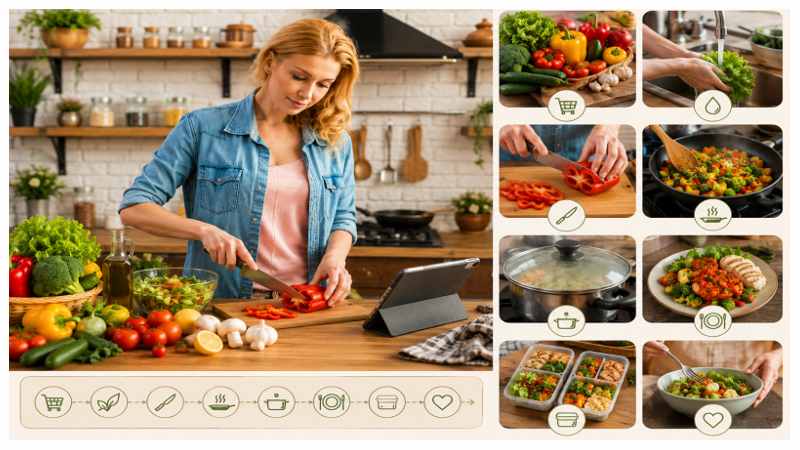
Cooking is one of the most valuable life skills anyone can develop. Preparing meals at home allows you to enjoy fresh ingredients, control portion sizes, save money, and create dishes that suit your personal taste. While cooking may seem challenging at first, learning a few smart techniques can make the entire process much easier and more enjoyable.
Fhthopefood: Smart Cooking Guide is designed to help beginners and experienced home cooks improve their kitchen skills through practical strategies. Smart cooking is about working efficiently, planning ahead, choosing quality ingredients, and using simple cooking methods to prepare delicious meals. Whether you cook every day or only occasionally, adopting smarter cooking habits can transform your kitchen experience.
What Is Smart Cooking?
Smart cooking means preparing meals in a way that saves time, reduces waste, improves nutrition, and simplifies meal preparation. Instead of spending hours in the kitchen or following complicated recipes, smart cooking focuses on practical methods that produce excellent results with less effort.
Smart cooking includes:
- Planning meals before shopping
- Using fresh ingredients
- Organizing the kitchen efficiently
- Choosing appropriate cooking methods
- Preparing ingredients ahead of time
- Minimizing food waste
These habits make cooking less stressful while improving the quality of homemade meals.
Why Smart Cooking Matters
Smart cooking benefits both your health and your lifestyle. Preparing meals at home gives you complete control over the ingredients you use, making it easier to reduce excess salt, sugar, and unhealthy fats.
Some major advantages include:
- Better nutrition
- Lower grocery expenses
- Faster meal preparation
- Increased cooking confidence
- Reduced food waste
- More enjoyable family meals
Learning smart cooking techniques also helps develop lifelong skills that make everyday meal preparation easier and more rewarding.
Fhthopefood: Smart Cooking Guide
Building Better Cooking Habits
Successful cooking begins with consistent habits. Small daily improvements often produce the biggest long-term results.
Helpful habits include:
- Cleaning as you cook
- Reading recipes completely before starting
- Measuring ingredients accurately
- Keeping frequently used tools nearby
- Practicing basic techniques regularly
Developing these routines creates a smoother cooking experience and reduces unnecessary stress.
Cooking Smarter Every Day
Smart cooking is not about preparing elaborate meals every day. Instead, it involves making practical decisions that simplify your routine.
Simple ways to cook smarter include:
- Preparing ingredients in advance
- Cooking larger batches for leftovers
- Choosing recipes with fewer ingredients
- Using seasonal produce
- Organizing pantry supplies
These strategies save valuable time while keeping meals fresh and nutritious.
Understanding Smart Cooking
Planning Meals Efficiently
Meal planning is one of the easiest ways to simplify cooking. Instead of deciding what to prepare every day, creating a weekly meal plan helps organize grocery shopping and reduces food waste.
Benefits of meal planning include:
- Less daily decision-making
- Better grocery budgeting
- Healthier food choices
- Reduced impulse purchases
- More efficient kitchen organization
Planning meals around ingredients already available at home also prevents unnecessary spending.
Saving Time in the Kitchen
Busy schedules make efficient cooking increasingly important.
Time-saving strategies include:
- Washing vegetables immediately after shopping
- Chopping ingredients ahead of time
- Cooking grains in larger batches
- Freezing meal portions
- Using simple one-pan recipes
Preparing ingredients before cooking begins allows recipes to come together much more quickly.
Cooking with Confidence
Confidence develops through practice rather than perfection.
Beginners should focus on:
- Learning one technique at a time
- Following simple recipes
- Accepting small mistakes as learning opportunities
- Repeating familiar meals until comfortable
Each successful meal builds valuable experience and encourages greater creativity.
Essential Kitchen Basics
Must-Have Cooking Tools
A well-equipped kitchen does not require expensive appliances. A few quality tools are enough for preparing hundreds of different meals.
Essential cookware includes:
- Saucepan
- Large cooking pot
- Frying pan
- Baking tray
- Mixing bowls
- Colander
These basic items cover most everyday cooking tasks.
Keeping Your Kitchen Organized
An organized kitchen saves both time and frustration.
Helpful organization tips include:
- Store spices together
- Label pantry containers
- Keep frequently used utensils nearby
- Separate baking supplies from cooking ingredients
- Clean countertops regularly
A tidy workspace makes cooking safer and more enjoyable.
Safe Food Handling Practices
Food safety is an essential part of smart cooking.
Important guidelines include:
- Wash your hands before preparing food.
- Keep raw meat separate from vegetables.
- Store refrigerated foods promptly.
- Cook foods to safe internal temperatures.
- Clean cutting boards thoroughly after use.
Practicing good food hygiene helps protect everyone in the household.
Smart Ingredient Selection
Choosing Fresh Ingredients
Fresh ingredients provide better flavor, texture, and nutrition than heavily processed alternatives.
Look for:
- Bright-colored vegetables
- Firm fruits
- Fresh herbs
- Lean proteins
- Whole grains
Selecting quality ingredients forms the foundation of delicious home-cooked meals.
Stocking Pantry Essentials
A well-stocked pantry allows you to prepare meals without frequent shopping trips.
Useful pantry staples include:
- Rice
- Pasta
- Oats
- Canned beans
- Lentils
- Flour
- Olive oil
- Vinegar
- Herbs and spices
- Broth
Having these ingredients available makes preparing quick meals much easier.
Buying Seasonal Produce
Seasonal fruits and vegetables are often fresher, tastier, and more affordable.
Benefits include:
- Better flavor
- Higher nutritional quality
- Lower prices
- Support for local farmers
Using seasonal produce also introduces more variety throughout the year.
Easy Cooking Methods
Learning a few basic cooking techniques allows you to prepare countless recipes with confidence. These beginner-friendly methods require minimal equipment while producing consistent results.
Boiling
Boiling is one of the easiest cooking methods. Food is completely submerged in hot water until cooked.
Common foods include:
- Pasta
- Rice
- Eggs
- Potatoes
- Vegetables
Boiling is simple, reliable, and ideal for beginners.
Steaming
Steaming cooks food using hot steam rather than direct contact with water.
Advantages include:
- Retains nutrients
- Preserves natural color
- Requires little added fat
- Produces tender vegetables
Steaming works well for vegetables, seafood, and dumplings.
Baking
Baking uses dry heat inside an oven to cook food evenly.
Popular baked dishes include:
- Bread
- Muffins
- Chicken
- Fish
- Roasted vegetables
- Casseroles
Because the oven maintains a stable temperature, baking often produces consistent results with minimal supervision.
Sautéing
Sautéing involves cooking food quickly in a small amount of oil over medium to high heat.
This method is excellent for:
- Vegetables
- Mushrooms
- Chicken strips
- Shrimp
- Onions
Sautéing develops rich flavors while maintaining texture.
Grilling
Grilling cooks food over direct heat, creating flavorful surfaces and appealing grill marks.
Foods commonly grilled include:
- Chicken
- Fish
- Vegetables
- Burgers
- Corn
Grilling allows excess fat to drain away while producing delicious smoky flavors. It is also a popular method for outdoor cooking and family gatherings.
Time-Saving Cooking Tips
Cooking does not have to consume hours of your day. By adopting a few smart strategies, you can prepare healthy meals quickly while keeping your kitchen organized. Time-saving techniques help reduce stress and make home cooking practical, even during busy weeks.
Meal Prepping for the Week
Meal prepping involves preparing ingredients or complete meals in advance. Spending one or two hours each week organizing your meals can save significant time on busy weekdays.
Simple meal prep ideas include:
- Washing and chopping vegetables
- Cooking rice, quinoa, or pasta ahead of time
- Preparing grilled chicken or baked fish for multiple meals
- Portioning snacks into reusable containers
- Making soups or stews that can be refrigerated or frozen
Meal prepping also helps reduce the temptation to order takeout because healthy meals are already available.
One-Pot and One-Pan Meals
One-pot and one-pan recipes are excellent for busy households because they require fewer dishes and less cleanup.
Popular examples include:
- Vegetable soups
- Chicken and rice
- Pasta with vegetables
- Beef stew
- Sheet-pan roasted vegetables and chicken
These meals combine proteins, vegetables, and grains into one convenient dish while saving both cooking and cleaning time.
Using Leftovers Creatively
Leftovers should never go to waste. Instead of eating the same meal repeatedly, transform leftovers into new dishes.
Examples include:
- Roast chicken becomes chicken sandwiches or wraps.
- Cooked vegetables can be added to soups or omelets.
- Leftover rice works well in fried rice or grain bowls.
- Baked potatoes can become potato salad or breakfast hash.
Creative use of leftovers saves money and reduces food waste.
Healthy Cooking Habits
Developing healthy cooking habits improves both nutrition and overall well-being. Small changes in the kitchen can make a significant difference over time.
Reducing Oil and Sugar
Many recipes can be made healthier by reducing unnecessary amounts of oil and sugar.
Helpful strategies include:
- Bake instead of deep-frying.
- Use herbs and spices for flavor.
- Choose natural sweeteners when appropriate.
- Measure cooking oil instead of pouring directly from the bottle.
These simple adjustments help create lighter meals without sacrificing taste.
Adding More Vegetables
Vegetables are rich in vitamins, minerals, and fiber. Including them in every meal improves nutritional balance.
Easy ways to eat more vegetables include:
- Adding spinach to pasta dishes
- Mixing vegetables into soups
- Including colorful salads with meals
- Roasting seasonal vegetables
- Adding peppers, carrots, or mushrooms to stir-fries
The more colorful your plate, the greater the variety of nutrients it typically contains.
Choosing Whole Foods
Whole foods are ingredients that have undergone little processing and retain most of their natural nutrients.
Examples include:
- Fresh fruits
- Vegetables
- Whole grains
- Beans
- Lentils
- Nuts
- Seeds
- Lean meats
- Fish
Building meals around whole foods supports long-term health and provides steady energy throughout the day.
Budget-Friendly Smart Cooking
Cooking smart also means managing your food budget wisely without compromising quality or nutrition.
Planning Affordable Meals
Planning meals before shopping helps avoid unnecessary purchases and reduces grocery costs.
Affordable meal ideas include:
- Bean soups
- Vegetable stir-fries
- Pasta dishes
- Rice bowls
- Homemade chili
- Lentil curry
Using inexpensive ingredients creatively allows families to prepare nutritious meals while staying within budget.
Reducing Food Waste
Food waste increases grocery expenses and affects the environment.
Simple ways to reduce waste include:
- Planning meals before shopping
- Freezing extra portions
- Using leftovers creatively
- Storing produce correctly
- Checking expiration dates regularly
Even small efforts can significantly reduce wasted food.
Shopping with a Grocery List
Creating a grocery list before visiting the store encourages smarter purchasing decisions.
Benefits include:
- Staying within budget
- Buying only necessary ingredients
- Avoiding impulse purchases
- Saving shopping time
- Reducing forgotten items
Organized shopping makes meal preparation much easier throughout the week.
Common Cooking Mistakes to Avoid
Everyone makes mistakes while learning to cook. Recognizing common errors helps improve results more quickly.
Skipping Recipe Preparation
Beginning a recipe without reading all the instructions can lead to missing ingredients, incorrect timing, or unnecessary stress.
Always:
- Read the recipe completely.
- Gather ingredients first.
- Prepare vegetables and seasonings.
- Preheat cooking equipment when necessary.
Preparation creates a smoother cooking experience.
Overcooking Ingredients
Overcooked food often loses flavor, texture, and nutritional value.
Examples include:
- Dry chicken
- Mushy vegetables
- Tough beef
- Burnt baked goods
Using timers and checking food regularly helps prevent overcooking.
Incorrect Seasoning
Seasoning greatly affects the final flavor of any dish.
Helpful tips include:
- Taste food as you cook.
- Add salt gradually.
- Balance flavors with herbs, spices, or citrus.
- Avoid adding too much seasoning at once.
Proper seasoning enhances ingredients rather than overpowering them.
Tips to Improve Your Cooking Skills
Improving as a cook takes practice, patience, and curiosity.
Practice Basic Techniques
Mastering basic skills creates a strong cooking foundation.
Practice:
- Chopping vegetables
- Boiling pasta
- Sautéing onions
- Roasting vegetables
- Cooking eggs
These techniques appear in countless recipes.
Try New Recipes Regularly
Trying one new recipe each week helps expand your cooking knowledge and introduces new flavors.
Start with recipes that use familiar ingredients before experimenting with more advanced dishes.
Keeping a collection of favorite recipes also makes future meal planning easier.
Learn Flavor Combinations
Understanding which ingredients work well together improves creativity in the kitchen.
Popular combinations include:
- Tomato and basil
- Lemon and garlic
- Honey and mustard
- Rosemary and potatoes
- Cinnamon and apples
Learning basic flavor pairings makes it easier to create delicious meals without relying entirely on recipes.
Benefits of Smart Cooking
Smart cooking offers advantages that extend beyond the kitchen.
Saves Time and Money
Planning meals, shopping wisely, and preparing food efficiently reduces both cooking time and grocery expenses.
Cooking larger portions and using leftovers also stretches your food budget further.
Supports Healthy Eating
Preparing meals at home allows you to control ingredients, portion sizes, and cooking methods.
This makes it easier to include more vegetables, lean proteins, whole grains, and fresh ingredients while limiting processed foods.
Makes Cooking More Enjoyable
Cooking becomes less stressful when you have an organized kitchen, quality ingredients, and practical cooking skills.
Trying new recipes, experimenting with flavors, and sharing meals with family or friends make cooking an enjoyable daily activity rather than a chore.
Frequently Asked Questions (FAQ)
What Is Smart Cooking?
Smart cooking is an efficient approach to meal preparation that focuses on planning, organization, healthy ingredients, and simple cooking techniques to save time while producing delicious meals.
How Can Beginners Cook Smarter?
Beginners should start with easy recipes, prepare ingredients before cooking, keep basic pantry staples on hand, practice one cooking method at a time, and learn from each meal they prepare.
What Are the Best Kitchen Essentials?
Essential kitchen tools include a chef’s knife, cutting board, saucepan, frying pan, baking tray, mixing bowls, measuring cups, spatula, whisk, wooden spoon, and food storage containers.
How Can I Reduce Food Waste While Cooking?
Reduce food waste by planning meals, storing food properly, freezing leftovers, buying only what you need, and using extra ingredients in soups, salads, stir-fries, or smoothies.
Conclusion
Making Smart Cooking a Daily Habit
Smart cooking is not about preparing complicated recipes or owning expensive kitchen equipment. It is about developing practical habits that make cooking simpler, healthier, and more efficient. Planning meals, organizing your kitchen, selecting fresh ingredients, and using beginner-friendly cooking methods can transform everyday meal preparation into an enjoyable routine.
Small improvements, such as meal prepping, reducing food waste, and practicing basic techniques, gradually build confidence and make home cooking less overwhelming. Every meal you prepare is an opportunity to improve your skills and create nutritious dishes for yourself and your family.
Enjoying Better Meals with Fhthopefood
The Fhthopefood: Smart Cooking Guide encourages home cooks to embrace simple techniques, healthy ingredients, and thoughtful planning to achieve better results in the kitchen. By following these smart cooking principles, you can save time, reduce costs, improve your nutrition, and enjoy delicious homemade meals every day. With regular practice and a willingness to learn, cooking becomes more than just a daily task—it becomes a rewarding skill that supports a healthier and more enjoyable lifestyle.