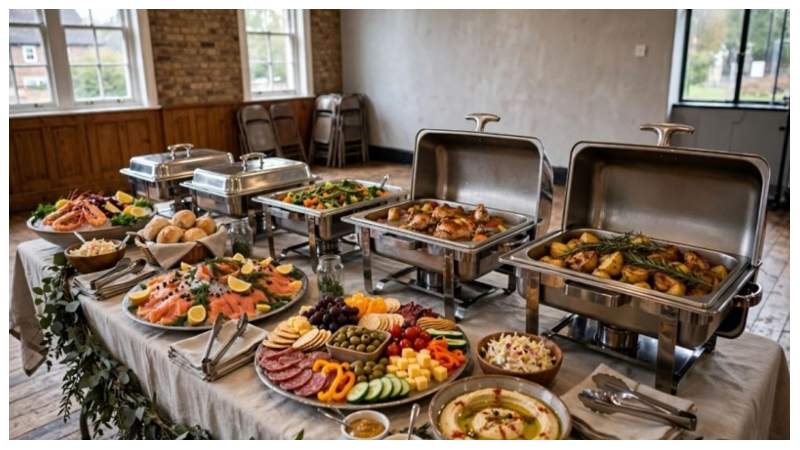
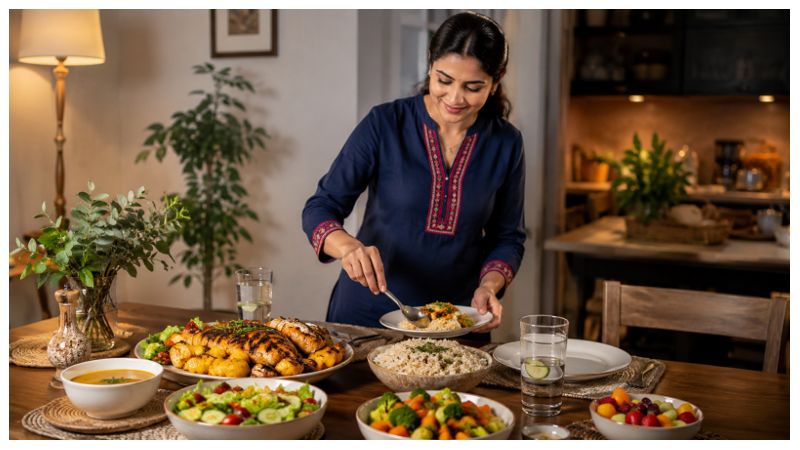
Supper is a familiar term for an evening meal, but its meaning can vary depending on family traditions, region, culture, and personal habits. For some people, supper means the main meal eaten at the end of the day. For others, it describes a lighter meal served later in the evening.
Regardless of the terminology, supper can be an important opportunity to enjoy nutritious food, use fresh ingredients, and reconnect with family or friends. A well-planned supper does not have to involve complicated recipes. Simple combinations of vegetables, grains, protein, and healthy fats can create satisfying meals.
Understanding the Meaning of Supper
The word supper traditionally refers to an evening meal. Its exact meaning differs across communities. In some households, people use “supper” and “dinner” interchangeably, while others use dinner for the main meal and supper for a lighter evening meal.
This flexibility means there is no single menu that defines supper. It can include soup, sandwiches, pasta, rice dishes, vegetables, poultry, fish, legumes, or other foods.
Why Supper Remains an Important Meal
Supper can provide an opportunity to complete the day’s nutritional needs. A balanced evening meal can include important nutrients such as protein, fiber, vitamins, minerals, and healthy fats.
Supper can also have a social role. Sitting down together without distractions can encourage conversation and make eating a more enjoyable experience.
What Is Supper Fhthfoodcult: Supper Food Ideas
Exploring Everyday Supper Traditions
Every household develops its own supper traditions. Some families prepare a large meal, while others prefer quick dishes that fit busy schedules. Cultural traditions also influence the ingredients, cooking methods, and serving styles used in the evening.
Common supper ideas include roasted vegetables with chicken, lentil soup with whole-grain bread, pasta with vegetables, rice bowls, bean dishes, and homemade casseroles.
How Supper Differs from Dinner
The difference between supper and dinner depends largely on regional and cultural usage. In some places, dinner refers to the main meal of the day regardless of when it occurs. Supper may describe a later or lighter meal.
Rather than focusing only on the name, it is more useful to consider what the meal provides and how it fits into a person’s daily eating pattern.
What Is Supper?
Definition of Supper
Supper is generally an evening meal, often eaten after the day’s main activities. It may be light or substantial depending on individual needs and traditions.
A simple supper might consist of soup and bread, while a larger meal could include vegetables, grains, protein, and a side salad.
History and Cultural Meaning of Supper
Historically, supper has been associated with evening eating in many English-speaking communities. Its meaning developed differently across regions and social settings.
Traditional supper foods have often reflected available local ingredients. Today, modern supper tables combine traditional recipes with international influences and contemporary cooking styles.
Supper vs. Dinner and Evening Meals
There is no universal distinction between supper and dinner. Some families call their main evening meal dinner, while others call it supper.
The important point is that both terms can describe an evening eating occasion. The timing and size of the meal are often more significant than the name.
Popular Supper Foods
Rice and Grain-Based Meals
Rice, quinoa, barley, bulgur, and other grains can serve as the foundation for a satisfying supper. Pairing grains with vegetables and protein creates a versatile meal.
Rice bowls are especially convenient because leftover vegetables, beans, eggs, or cooked meat can be combined with rice and a flavorful sauce.
Pasta and Noodle Dishes
Pasta and noodles are popular because they cook relatively quickly and can accommodate many ingredients. Vegetables, tomato-based sauces, beans, lean proteins, and herbs can turn them into complete meals.
Whole-grain pasta can also provide more fiber than refined varieties.
Soups and Stews
Soups and stews are practical supper choices, especially during cooler weather. Vegetables, beans, lentils, grains, poultry, or lean meats can be combined in one pot.
They are also useful for meal preparation because many soups store well for later meals.
Meat and Poultry Dishes
Chicken, turkey, lean beef, and other meats can provide protein for supper. Baking, grilling, roasting, or stewing can produce flavorful dishes without requiring excessive amounts of added fat.
Pairing meat with vegetables and whole grains creates a more balanced plate.
Vegetable-Based Meals
Vegetables can form the centerpiece of supper rather than simply serving as a side dish. Roasted vegetables, stuffed peppers, vegetable curries, stir-fries, and grain bowls are examples of satisfying vegetable-focused meals.
Healthy Supper Ideas
Building a Balanced Supper Plate
A balanced supper can include vegetables or fruit, a protein source, a fiber-rich carbohydrate, and a moderate amount of healthy fat.
The exact proportions can vary according to personal nutritional needs, activity level, and dietary preferences.
Protein-Rich Foods
Eggs, fish, poultry, beans, lentils, tofu, yogurt, nuts, seeds, and other protein-rich foods can contribute to a satisfying evening meal.
Combining protein with vegetables and fiber-rich foods can make a meal more filling.
Whole Grains and Fiber
Brown rice, oats, quinoa, barley, whole-grain bread, and whole-grain pasta can provide useful sources of fiber.
Fiber also comes from beans, lentils, vegetables, fruits, nuts, and seeds, making it easy to include through a variety of foods.
Fresh Fruits and Vegetables
Fresh or appropriately prepared produce adds color, flavor, vitamins, minerals, and fiber. Aim to include several different types of vegetables and fruits throughout the week.
Healthy Fats
Foods such as avocado, nuts, seeds, olive oil, and certain fish provide unsaturated fats. These ingredients can add flavor and help create satisfying meals when used in appropriate portions.
Quick and Easy Supper Ideas
One-Pot Meals
One-pot meals reduce preparation and cleanup. A single pot can combine grains, vegetables, beans, herbs, and protein into a complete dish.
Soups, stews, curries, and skillet meals are particularly suitable for this approach.
Simple Pasta Recipes
A quick pasta supper can combine whole-grain pasta with vegetables, beans, tomatoes, herbs, and a modest amount of cheese or another protein source.
Easy Rice Bowls
Rice bowls offer an easy way to use available ingredients. Start with cooked rice, add vegetables and protein, and finish with a flavorful dressing or sauce.
Quick Vegetable Stir-Fries
Stir-frying allows vegetables to cook quickly while maintaining texture. Add tofu, eggs, chicken, shrimp, or beans for protein and serve the mixture over rice or another grain.
Family Supper Ideas
Kid-Friendly Meals
Children may enjoy familiar foods such as pasta, rice bowls, mini sandwiches, baked potatoes, scrambled eggs, vegetable quesadillas, or homemade soups.
Offer different ingredients separately when possible so children can choose combinations they are comfortable trying.
Family-Style Supper
Family-style serving places several dishes in the middle of the table. Everyone can select suitable portions, making the meal flexible for different preferences.
Easy Meals for Busy Evenings
Busy families can rely on prepared grains, frozen vegetables, canned beans, eggs, and other convenient ingredients to assemble quick meals.
Planning a few dependable recipes each week can reduce the stress of deciding what to cook.
Making Supper More Enjoyable
A relaxed table setting, fewer electronic distractions, and shared conversation can make supper more enjoyable. Even simple food can feel special when people take time to eat together.
Budget-Friendly Supper Ideas
Affordable Ingredients
Beans, lentils, eggs, potatoes, rice, oats, cabbage, carrots, and seasonal vegetables can form the foundation of inexpensive meals.
Buying versatile ingredients allows one product to appear in several different recipes.
Using Pantry Staples
Canned beans, tomatoes, grains, pasta, spices, and dried lentils can help create meals without requiring a large grocery trip.
Seasonal Produce
Seasonal produce is often easier to find and can provide good flavor and variety. Build meals around vegetables and fruits that are readily available.
Reducing Food Waste
Plan meals around ingredients already in the refrigerator or pantry. Leftover vegetables can become soup or omelet fillings, while cooked grains can be used in bowls or stir-fries.
Supper Foods Around the World
American Supper Traditions
American evening meals vary widely but may include roasted poultry, vegetables, potatoes, pasta, casseroles, soups, or sandwiches.
Regional traditions add further variety, reflecting local ingredients and cultural influences.
European Evening Meals
European supper traditions differ considerably between countries. Some meals emphasize bread, vegetables, cheese, fish, pasta, grains, or roasted foods.
Asian-Inspired Supper Ideas
Rice, noodles, tofu, vegetables, seafood, poultry, and aromatic seasonings are common components of many Asian-inspired meals.
Stir-fries, rice bowls, noodle soups, and vegetable dishes can provide flexible supper options.
Mediterranean Supper Foods
Mediterranean-inspired meals often combine vegetables, beans, whole grains, herbs, fish, yogurt, olives, and other flavorful ingredients.
These meals demonstrate how fresh produce and simple seasonings can create satisfying food.
Vegetarian Supper Ideas
Vegetable Curries
Vegetable curries can combine potatoes, cauliflower, spinach, carrots, peas, chickpeas, or other vegetables with aromatic spices.
Serve them with rice or whole-grain flatbread for a complete meal.
Bean and Lentil Meals
Beans and lentils are versatile plant-based protein sources. They can be used in soups, stews, salads, curries, and grain bowls.
Vegetarian Pasta
Pasta can be paired with mushrooms, spinach, tomatoes, peppers, zucchini, beans, or lentils for a satisfying meat-free supper.
Grain and Vegetable Bowls
A grain bowl can combine quinoa, brown rice, or another grain with roasted vegetables, beans, seeds, and a flavorful dressing.
Comfort Food Supper Ideas
Homemade Soups
Homemade soups are comforting and adaptable. Vegetable, lentil, chicken, tomato, and bean soups can all provide nutritious options.
Hearty Casseroles
Casseroles allow several ingredients to cook together. Vegetables, grains, beans, pasta, or lean proteins can be combined with herbs and sauces.
Mashed Potatoes and Vegetables
Mashed potatoes can accompany roasted or steamed vegetables and a protein source. Using herbs and spices can add flavor without depending entirely on heavy sauces.
Homemade Pasta Dishes
A homemade pasta dish can provide comfort while allowing control over ingredients. Add vegetables, herbs, beans, or lean protein to increase variety.
Healthy Supper Drinks
Water and Infused Water
Water remains a simple choice with meals. Adding slices of lemon, lime, cucumber, berries, or herbs can provide additional flavor.
Herbal Tea
Herbal tea can make a pleasant evening beverage, particularly for people who prefer caffeine-free options.
Fresh Fruit Drinks
Fruit-based drinks can be refreshing, but whole fruit generally provides more fiber than juice. When serving juice, moderate portions can help manage overall sugar intake.
Low-Sugar Beverage Choices
Unsweetened tea, sparkling water, and plain water are practical lower-sugar choices. Limiting heavily sweetened drinks can help reduce unnecessary added sugar.
Planning a Better Supper
Creating a Weekly Meal Plan
A weekly meal plan can simplify grocery shopping and reduce last-minute decisions. Choose several main dishes and rotate ingredients throughout the week.
Preparing Ingredients Ahead
Washing vegetables, cooking grains, preparing beans, and portioning ingredients ahead of time can shorten cooking time on busy evenings.
Choosing Fresh Ingredients
Fresh ingredients can contribute flavor, texture, and nutritional variety. Frozen and canned ingredients can also be useful when selected appropriately.
Balancing Different Food Groups
Try to combine several food groups in each meal. A grain, protein source, vegetables, and healthy fat can create a balanced foundation.
Healthy Cooking Methods
Baking and Roasting
Baking and roasting can develop rich flavors without requiring large amounts of oil. Vegetables, poultry, fish, and potatoes are particularly suitable.
Steaming and Grilling
Steaming can preserve the natural texture and flavor of many vegetables. Grilling can add a distinctive smoky flavor to vegetables, poultry, fish, and other foods.
Stir-Frying with Less Oil
A small amount of cooking oil combined with high heat can quickly cook vegetables and protein. Use suitable cookware and avoid overheating the oil.
Using Natural Herbs and Spices
Garlic, ginger, basil, rosemary, thyme, cumin, paprika, black pepper, and other seasonings can add depth without requiring excessive salt or sugar.
Common Supper Mistakes
Eating Very Large Portions
Large portions can make it difficult to recognize natural fullness. Serving reasonable portions and eating slowly can help.
Relying Too Much on Processed Foods
Convenience foods can be useful occasionally, but relying heavily on highly processed meals may limit nutritional variety.
Adding Excess Salt and Sugar
Too much salt or added sugar can overwhelm the natural flavors of food. Herbs, spices, citrus, and vinegar can provide alternative ways to add flavor.
Skipping Vegetables and Fiber
A supper built mostly around refined carbohydrates may lack fiber and variety. Adding vegetables, legumes, whole grains, or fruit can improve the overall meal.
Tips for Enjoying Supper
Eat at a Comfortable Time
There is no universal perfect supper time. Choose a schedule that fits your daily routine while allowing enough time to eat comfortably.
Create Balanced Plates
Combine different food groups instead of relying heavily on one type of food. Variety can improve both nutrition and enjoyment.
Practice Mindful Eating
Pay attention to flavor, texture, hunger, and fullness. Eating without rushing can make meals more satisfying.
Enjoy Supper with Family
When practical, sharing supper with family or friends can create opportunities for conversation and connection.
Benefits of a Well-Planned Supper
Supports Evening Nutrition
A balanced supper can provide nutrients needed as part of an individual’s overall daily eating pattern.
Provides Essential Nutrients
Vegetables, fruits, grains, protein foods, and healthy fats contribute different nutrients. Including variety helps support a balanced diet.
Encourages Home Cooking
Regularly preparing supper at home can provide greater control over ingredients, portions, seasonings, and cooking methods.
Creates Family Connection
Shared meals can become valuable opportunities for families to spend time together and establish positive food traditions.
Frequently Asked Questions (FAQ)
What Is Supper?
Supper generally refers to an evening meal. Depending on the region or household, it may be used interchangeably with dinner or may describe a lighter meal later in the evening.
What Time Is Supper Usually Served?
Supper is commonly served in the evening, but the exact time depends on work schedules, family routines, culture, and personal preferences.
What Is the Difference Between Supper and Dinner?
The distinction varies by region. Some people use dinner for the main meal and supper for a lighter evening meal, while others use the two terms to mean essentially the same thing.
What Foods Are Good for Supper?
Good supper choices can include vegetables, whole grains, beans, lentils, eggs, fish, poultry, lean meats, soups, pasta, rice dishes, and other balanced meals.
How Can I Make Supper Healthier?
Include a variety of vegetables, choose fiber-rich grains, add a suitable protein source, use healthy fats in moderation, limit excessive added sugar and salt, and choose cooking methods such as baking, roasting, steaming, or grilling.
Conclusion
Making Supper a Balanced Everyday Meal
Supper can be much more than simply the last meal of the day. It provides an opportunity to combine nutritious ingredients, explore different cuisines, use leftovers creatively, and enjoy food at a comfortable pace.
There is no single correct supper menu. The best choices depend on individual preferences, dietary needs, available ingredients, budget, and lifestyle. Simple meals can be just as satisfying as elaborate ones when they offer good flavor and variety.
Enjoying Simple and Delicious Supper Food Ideas
What Is Supper Fhthfoodcult: Supper Food Ideas highlights the flexibility of evening meals and the many ways they can fit into modern lifestyles. From quick rice bowls and vegetable stir-fries to comforting soups and family-style meals, supper can remain practical, nutritious, and enjoyable.